Common Pitfalls in Bulk Jewelry Box Procurement and How to Avoid Them
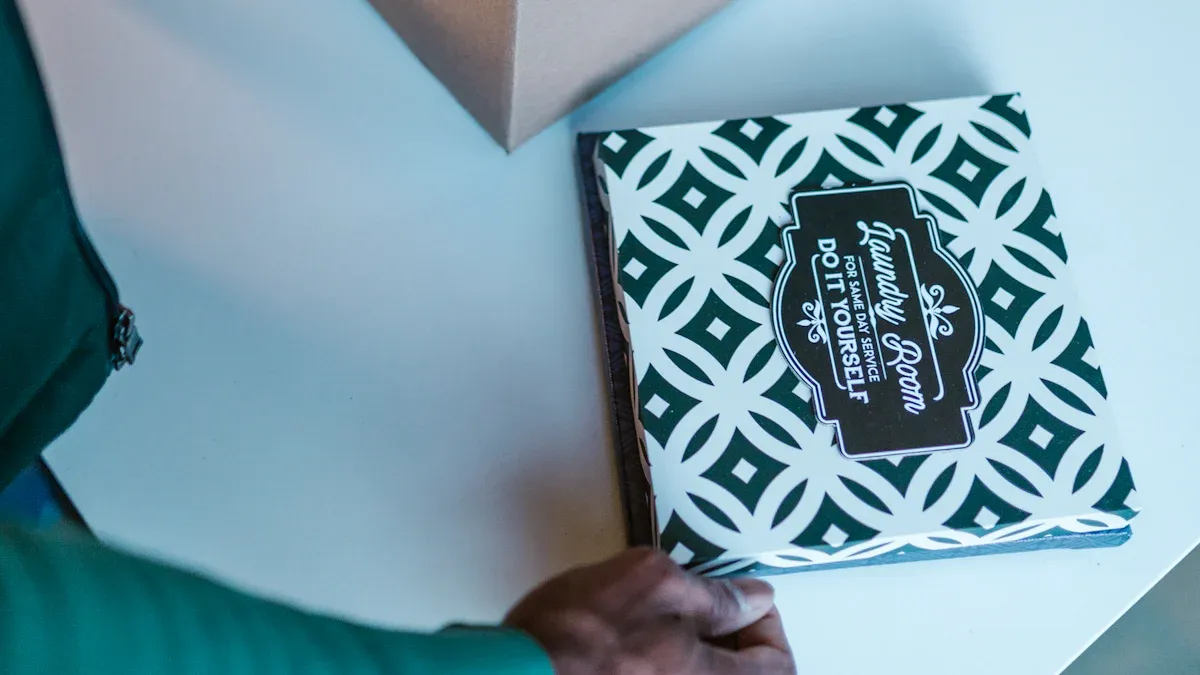
Bulk jewelry box procurement often presents challenges that can affect both product quality and business outcomes. Many companies underestimate the importance of choosing the right jewelry packaging manufacturer when sourcing custom jewelry boxes for b2b procurement. Inadequate attention to jewelry packaging details can lead to damaged products, poor Jewelry Display, or even dissatisfied clients. A Jewelry Pouch may seem simple, but errors in bulk jewelry box procurement can increase costs and harm a brand’s reputation. Smart procurement decisions protect jewelry, strengthen brands, and ensure lasting customer trust.
The Role of Jewelry Packaging in Bulk Jewelry Box Procurement
Product Protection
Preventing Transit Damage
Jewelry packaging is more than just a container; it is a symbol of thoughtfulness, craftsmanship, and the first tangible touchpoint for buyers. These boxes are specially designed to protect, store, and display jewelry items such as rings, necklaces, bracelets, and earrings. They come in various shapes, sizes, and materials, often with added compartments or padding to ensure the contents remain secure and undamaged.
A jewelry packaging box manufacturer must prioritize protection during transit. Secure packaging choices prevent scratches, dents, and loss. Industry experts recommend using specialized inserts and sturdy materials to minimize movement and absorb shocks. The table below highlights common packaging types and their protective features:
| Packaging Type | Protection Features | Additional Benefits |
|---|---|---|
| Bamboo pulp inserts | Hold jewelry securely in place, preventing movement and potential damage. | Eco-friendly and compostable. |
| Bagasse boxes | Sturdy construction that protects jewelry during shipping. | Elegant design and sustainable material. |
| Plant-based films | Provides a protective wrap that is compostable, reducing environmental impact. | Safe for the jewelry and the environment. |
| Soft jewelry bags | Protect jewelry while offering reusable storage options. | Affordable and personalized branding opportunities. |
| Two-piece boxes | Double wall construction for enhanced sturdiness and protection. | Creates a luxurious unboxing experience for customers. |
Ensuring Jewelry Longevity
Jewelry packaging extends the life of each piece by shielding it from moisture, dust, and physical stress. Manufacturers often add padding, compartments, and anti-tarnish linings to preserve the integrity of jewelry. Proper packaging choices reduce the risk of damage during storage and handling, ensuring that jewelry remains pristine for years.
Brand Representation
Memorable Unboxing Experience
- Modern consumers expect premium packaging that reflects the value of their jewelry purchase.
- Custom jewelry packaging protects pieces while enhancing brand identity.
- It creates an unforgettable unboxing experience that aligns with the brand's values and aesthetics.
A jewelry packaging box manufacturer can elevate the brand image by designing boxes that deliver a memorable unboxing moment. Thoughtful design and premium materials reinforce brand identity and communicate the brand story.
Packaging Alignment with Brand Values
- Cohesive and custom packaging design helps unify brand messaging and encourages repeat business.
- The overall brand image is shaped by the packaging, influencing customer perceptions.
- High-end packaging is a crucial part of the brand experience.
Packaging choices must align with the brand’s values and aesthetics. Consistent colors, logos, and materials help customers recognize and trust the brand.
Customer Satisfaction
Enhancing Perceived Value
- Over 70% of consumers report that packaging affects their purchase decisions, particularly in the jewelry sector where premium presentation is expected.
- A 2022 survey indicated that 72% of consumers believe packaging influences their purchasing decisions.
Jewelry packaging increases perceived value and justifies higher prices. Well-designed packaging communicates quality and care, making customers feel valued.
Building Loyalty
- 63% of customers are more likely to make repeat purchases after a positive unboxing experience.
The right packaging builds customer loyalty. It encourages repeat business and strengthens relationships. Experts emphasize that memorable packaging experiences lead to lasting satisfaction and brand trust.
Pitfall #1: Neglecting Box Structure and Material Quality in Bulk Jewelry Box Procurement

Common Mistakes
Choosing Low-Quality Materials
Many businesses fall into the trap of selecting jewelry boxes made from inferior materials. Low-quality materials often result in rapid damage, such as tarnishing, cracking, or breaking. These issues compromise the protection of valuable jewelry pieces. Poor craftsmanship can also lead to aesthetic failures and safety risks. For example, cheap metals may cause skin irritation, which leads to customer dissatisfaction and a negative brand image. Some jewelry boxes, despite their attractive appearance, do not provide adequate protection against scratches or breakage. This oversight can diminish both the perceived value of the jewelry and the reputation of the brand.
Overlooking Structural Integrity
Structural integrity plays a crucial role in jewelry packaging. Boxes with weak construction or inadequately sized compartments often fail to organize jewelry efficiently. Wasted space and poor compartment design can result in tangled chains or damaged pieces. Rushing to secure the lowest unit cost sometimes leads businesses to overlook important logistics costs and quality control processes. Skipping pre-production samples increases the risk of batch inconsistency, which can result in a shipment of subpar boxes that do not meet expectations.
Tip: Always consider the total landed cost, not just the unit price, when evaluating suppliers.
How to Avoid
Assessing Material Durability
Jewelry businesses can take several steps to ensure material durability before committing to bulk procurement:
- Conduct a visual inspection to identify flaws such as scratches, uneven finishes, or discoloration.
- Examine the structure for weak spots or loose parts that may compromise durability.
- Use tools like magnifying glasses and calipers to check craftsmanship details.
- Inspect interior materials, ensuring that fabric linings do not fray and leather does not peel or crack.
These steps help businesses avoid the most common mistakes related to material quality and structure.
Requesting Samples
Requesting samples from suppliers remains one of the most effective ways to verify quality before placing a large order. Samples allow businesses to evaluate the feel, weight, and construction of the jewelry boxes firsthand. They also provide an opportunity to test the fit and finish of compartments and inserts. By reviewing samples, businesses can ensure that the final product meets their standards for both protection and presentation.
Note: Skipping the sample review process can lead to costly errors and inconsistent batches.
Pitfall #2: Ignoring Interior Inserts and Fit in Jewelry Packaging
Common Mistakes
Using Generic Inserts
Many businesses overlook the importance of custom inserts when ordering jewelry boxes. They often choose generic foam or velvet liners, assuming these will protect all types of jewelry. This approach can lead to several problems:
- Generic inserts may not secure delicate chains or clasps, resulting in scratches or misalignment.
- Soft liners sometimes shed fibers or retain humidity, which can cause tarnish or long-term damage.
- Standard inserts rarely match the unique shapes of rings, necklaces, or bracelets, compromising both safety and presentation.
Selecting the wrong insert for jewelry boxes can diminish the perceived value of the product and increase the risk of returns.
Mismatched Insert Sizing
Incorrect insert sizing is a frequent issue in bulk jewelry box procurement. Poor sizing tolerances can cause instability, stress, or even loss of jewelry pieces. The following problems often occur:
- Inserts that are too wide or too shallow allow jewelry to move, leading to scratches or tangles.
- A box that is too large for its contents may result in stone displacement or poor presentation.
- Inserts placed too close to the box walls can cause bulging or bursting, which poses safety risks.
- Incorrect measurements can compromise the integrity of jewelry boxes, making them less reliable during transit.
Note: Improper insert sizing accounts for 23% of transit damage in jewelry shipments. Accurate dimensions are essential for both safety and presentation.
How to Avoid
Customizing Inserts for Product Fit
Jewelry businesses can prevent these issues by customizing inserts for each product type. Several effective strategies include:
- Modular or pierced inserts that adjust to fit various jewelry boxes.
- Die-cut foam inserts shaped specifically for rings, earrings, or pendants.
- Foldable cardboard inserts that adapt to different designs and sizes.
- Convertible designs that offer flexibility for multiple jewelry types.
- Slotted inserts for rings and padded or notched inserts for necklaces.
Customizing inserts ensures that every piece fits securely within its jewelry box, reducing movement and potential damage.
Evaluating Insert Materials
Material selection plays a critical role in the performance of jewelry boxes. Companies should consider the following:
- Velvet inserts provide a luxurious feel, ideal for high-end jewelry.
- Cardboard inserts offer an eco-friendly option that aligns with sustainable branding.
- The choice of material should match the brand’s identity and the specific needs of the jewelry.
Tip: Always request samples of insert materials before finalizing a bulk order. This step helps verify quality and compatibility with the jewelry pieces.
By prioritizing the fit and material of interior inserts, businesses can enhance the safety, presentation, and overall value of their jewelry boxes.
Pitfall #3: Mismatching Visual Style with Brand Identity in Bulk Jewelry Box Procurement
Common Mistakes
Off-Brand Colors and Designs
Many jewelry businesses make the mistake of selecting packaging colors and designs that do not reflect their brand identity. When the visual style of jewelry boxes diverges from established branding, several negative outcomes arise:
- Customers perceive the brand as amateurish, which undermines trust.
- Investments in branding lose effectiveness at critical touchpoints.
- Brand recognition suffers, making it difficult for customers to recall the logo or company name.
- The unboxing experience becomes transactional, lacking emotional engagement.
- Packaging fails to generate excitement or social media buzz, missing valuable marketing opportunities.
- The narrative potential of the unboxing is lost, preventing the brand from communicating its story and values.
Strong brands establish clear guidelines for logo usage and color schemes. Inconsistent visual treatment causes the brand to blend into a saturated market, reducing its impact and recognition.
Inconsistent Logo Placement
Logo placement plays a crucial role in reinforcing brand authority. Jewelry businesses often overlook this detail, resulting in inconsistent logo sizing and positioning across packaging. This inconsistency signals insecurity about brand recognition and undermines the perception of maturity and confidence. Proper logo usage communicates professionalism and strengthens customer trust. When logos appear in different locations or sizes, customers may struggle to identify the brand, which diminishes the effectiveness of marketing efforts.
Tip: Consistent colors and logo placement across all packaging platforms enhance brand trust and recognition.
How to Avoid
Collaborating with Designers
Jewelry businesses can prevent visual mismatches by collaborating with experienced designers. Designers understand how to translate brand identity into packaging elements. They ensure that colors, logos, and materials align with the store’s atmosphere and overall aesthetic. For brands with bold and expressive identities, designers can create packaging that reflects this style while maintaining cohesion. This approach enhances the customer experience and strengthens brand recognition.
A well-designed jewelry box should mirror the retail environment. If a store features clean lines and neutral tones, packaging should echo these elements. This creates a seamless experience for customers and reinforces the brand’s image.
Ensuring Consistency Across Packaging
To achieve visual consistency, businesses must define their brand’s visual identity and apply these elements uniformly. This includes using custom logos, specific colors, and unique materials. For example, luxury brands like Cartier use rich reds and gold accents in their packaging, reinforcing their premium image. Consistency across all packaging designs ensures that customers recognize the brand instantly, whether they encounter it online, in-store, or during the unboxing process.
| Packaging Element | Consistent Approach | Impact on Brand |
|---|---|---|
| Logo Placement | Fixed position and size | Reinforces authority |
| Color Scheme | Brand-specific palette | Enhances recognition |
| Material Choice | Unique, cohesive materials | Communicates values |
By prioritizing collaboration with designers and maintaining consistency, jewelry businesses can avoid the pitfalls of mismatched visual style. This strategy ensures that every jewelry box serves as a powerful extension of the brand.
Pitfall #4: Overlooking Sustainable Materials in Jewelry Packaging
Common Mistakes
Using Non-Recyclable Materials
Many jewelry businesses continue to use packaging made from non-recyclable materials. These choices often include plastics, foams, and laminates that cannot be processed by recycling facilities. Companies risk damaging their reputation and losing customers who value environmental responsibility.
Ignoring Environmental Concerns: In a time when it is trendy to assure the market of our environmental respect, packaging products in non-sustainable ways can be a very costly mistake. I have had so many companies getting a backlash for the wrong materials which are either among the most wasteful or non-recyclable ones.
Brands that overlook recyclable options face criticism from both consumers and industry peers. The market expects businesses to demonstrate environmental awareness through their packaging decisions.
Ignoring Consumer Demand for Sustainability
Consumer preferences have shifted toward brands that prioritize sustainability. Jewelry buyers now expect packaging that reflects their environmental values. Companies that ignore this demand risk losing market share and customer loyalty.
- Consumers increasingly prefer brands that align with their environmental values, leading to a demand for sustainable packaging options.
- A 2023 study indicates a rising interest in eco-friendly packaging across various industries, including jewelry, as customers seek to minimize environmental harm.
- Jewelry brands are adopting biodegradable materials and recycled options, such as cornstarch-based plastics and recycled paper, to reduce their environmental footprint.
- Brands are educating consumers about sustainable choices through packaging inserts that highlight eco-friendly attributes.
- This educational effort fosters a sense of environmental responsibility among consumers and raises awareness about sustainable practices.
Jewelry businesses that fail to address sustainability miss opportunities to connect with eco-conscious customers and build lasting relationships.
How to Avoid
Researching Eco-Friendly Suppliers
Companies can avoid sustainability pitfalls by sourcing packaging from suppliers who specialize in eco-friendly materials. They should evaluate options such as recycled paper, biodegradable plastics, and organic fabrics.
- Recycled Paper and Corrugated Cardboard: Affordable and versatile alternatives that support a circular economy.
- Biodegradable Plastics: Break down faster than traditional plastics, offering a more eco-friendly option.
- Organic Fabrics: Natural materials like cotton and hemp that are reusable and sustainable.
- Innovative Materials: New options like mycelium and seaweed that are emerging in the packaging industry.
Jewelry brands that invest in eco-conscious packaging demonstrate commitment to environmental stewardship. These choices help reduce waste and appeal to environmentally aware customers.
We switched to eco-packaging last year and saw a 27% increase in repeat customers who mentioned our sustainability efforts in reviews.
Communicating Sustainability
Effective communication about sustainable packaging strengthens brand reputation. Companies should use packaging inserts, website content, and social media to highlight their eco-friendly practices.
- Some jewelry brands collaborate with environmental initiatives and non-profits to enhance their sustainability efforts.
- These collaborations often involve contributing a portion of sales to projects focused on reforestation and waste reduction, demonstrating a commitment to broader environmental causes.
Clear messaging about sustainability encourages customers to support brands that share their values. Businesses that educate consumers about their packaging choices foster trust and loyalty.
Pitfall #5: Underestimating Cost and Logistics in Bulk Jewelry Box Procurement

Common Mistakes
Failing to Account for Shipping Costs
Many jewelry businesses overlook the true impact of shipping costs when calculating bulk cost estimates. They often focus on unit prices and ignore hidden expenses that can quickly add up. These hidden costs include tooling fees, carton surcharges, color deviation fees, and port handling surcharges. When companies fail to anticipate these charges, they risk exceeding their budgets and facing unexpected financial strain.
Overlooking Lead Times and MOQs
Lead times and minimum order quantities (MOQs) play a critical role in cost and logistics planning. Businesses sometimes underestimate how long it takes to finalize specifications, approve samples, and complete inspections. Delays at any stage can disrupt inventory flow and lead to missed sales opportunities. Ignoring MOQs can also result in higher per-unit costs, especially for small orders that do not benefit from bulk purchasing advantages.
Tip: Always confirm lead times and MOQs with suppliers before placing an order to avoid costly surprises.
How to Avoid
Comparing Total Cost of Ownership
Jewelry businesses should evaluate the total cost of ownership rather than focusing solely on acquisition costs. This approach provides a more accurate picture of the financial impact of each supplier. The table below outlines key cost factors to consider:
| Cost Factor | Description |
|---|---|
| Acquisition Costs | Raw materials, manufacturing, and design expenses. |
| Operational Costs | Storage, handling, shipping, and potential damage costs. |
| Disposal Costs | Recycling, waste management, and environmental impact. |
| Right-Sizing | Choosing packaging dimensions that minimize space and costs. |
| Material Selection | Exploring cost-effective and sustainable alternatives. |
| Design Efficiency | Streamlining designs and reducing color usage to cut costs. |
| Negotiating Power | Leveraging bulk discounts and supplier relationships. |
| Streamlining Operations | Optimizing packing and shipping processes for efficiency. |
| Embracing Sustainability | Using reusable materials and reducing overpacking. |
By considering these factors, businesses can make informed decisions and avoid unexpected expenses.
Planning Inventory and Delivery Schedules
Effective inventory and delivery planning helps prevent costly delays and stockouts. Jewelry businesses should create detailed schedules that account for production lead times, shipping durations, and customs clearance. The table below demonstrates how order size affects lead time and cost implications:
| Order Size | Lead Time | Cost Implications |
|---|---|---|
| Small Orders (200–1000 units) | 6-8 weeks | Higher per-unit costs due to less efficient production. |
| Medium Orders (1000–10,000 units) | 8-10 weeks | More favorable pricing with bulk purchasing advantages. |
| Large Orders (10,000+ units) | 8-12 weeks | Lowest per-unit costs and optimized production efficiency. |
Larger orders typically result in lower costs per unit and more efficient production. Smaller orders often lead to higher material costs and longer lead times, which can affect cash flow and inventory management.
Note: Accurate planning ensures that jewelry businesses maintain optimal stock levels and meet customer demand without incurring unnecessary expenses.
By addressing cost and logistics challenges proactively, companies can streamline procurement, control expenses, and deliver consistent value to their customers.
Pitfall #6: Lack of Supplier Vetting and Communication in Jewelry Packaging
Common Mistakes
Choosing Suppliers Based on Price Alone
Many jewelry businesses select suppliers solely because of low prices. This approach often leads to significant risks. They may encounter delivery delays, which disrupt inventory flow and customer satisfaction. Quality variations become common when suppliers do not meet established standards. These inconsistencies can result in operational inefficiencies and long-term trust issues. High defect rates also increase refund volumes, which raises operational costs and damages profitability. Businesses that focus only on price often overlook the importance of reliability and quality assurance.
Tip: The lowest price does not always mean the best value. Consider the supplier’s track record and quality guarantees before making a decision.
Poor Communication Leading to Errors
Poor communication between buyers and suppliers creates confusion and mistakes. Misunderstandings about specifications, timelines, or packaging requirements can result in incorrect orders. These errors may include wrong logo placement, off-brand colors, or mismatched box sizes. When communication breaks down, businesses face delays, increased costs, and dissatisfied customers. Clear and consistent communication is essential for successful procurement.
How to Avoid
Conducting Supplier Audits
Supplier audits help businesses evaluate vendor performance and adherence to quality standards. They provide an opportunity to review production processes, inspect facilities, and assess compliance with industry requirements. Regular audits ensure that suppliers maintain consistent quality and meet delivery expectations. Businesses that conduct thorough audits reduce the risk of receiving subpar products and strengthen their supply chain.
- Audits verify that suppliers follow agreed-upon specifications.
- They identify potential issues before they affect production.
- Audits build trust and accountability between buyers and suppliers.
Note: A strong audit process can prevent costly mistakes and protect brand reputation.
Establishing Clear Communication Channels
Establishing clear communication channels with suppliers is crucial for transparency and efficiency. Reliable communication allows for immediate feedback and quick adjustments during the procurement process. Businesses should set up regular check-ins, use detailed purchase orders, and document all agreements. These practices help prevent misunderstandings and ensure that both parties stay aligned.
- Clear channels support transparency throughout the supply chain.
- Immediate feedback enables quick problem-solving.
- Strong relationships with vendors foster trust and minimize errors.
Jewelry businesses that prioritize supplier vetting and communication create a foundation for long-term success. They avoid common pitfalls, maintain high standards, and deliver consistent value to their customers.
Pitfall #7: Overlooking Quality Control in Bulk Jewelry Box Procurement
Common Mistakes
Not Asking About Quality Control Measures
Many jewelry businesses fail to ask suppliers about their quality control measures. This oversight can lead to inconsistent results and unexpected defects. Without clear information, buyers cannot verify if the supplier inspects raw materials or monitors production steps. Some companies assume that all manufacturers follow strict standards, but this is not always the case. When businesses skip these questions, they risk receiving jewelry boxes that do not meet their expectations.
Accepting Subpar Products
Some buyers accept shipments without thorough inspection. They may overlook minor flaws or believe that small imperfections will not affect customer satisfaction. Over time, these issues can damage the brand’s reputation. Accepting subpar products signals to suppliers that lower quality is acceptable. This practice can lead to recurring problems and increased returns. Jewelry businesses must recognize that every box reflects their commitment to quality.
How to Avoid
Reviewing Supplier Quality Assurance Processes
Jewelry businesses should review supplier quality assurance processes before placing bulk orders. Leading manufacturers, such as Tongxing Packing, implement strict quality control systems. Their process includes six steps, starting with the inspection of raw material suppliers. If a supplier provides poor quality goods, they are removed from the supply list. This approach ensures that only high-quality materials enter the production line.
- Suppliers undergo regular evaluations to maintain high standards.
- Each jewelry box receives thorough checks for craftsmanship and durability.
- Quality control measures are applied throughout the production cycle, not just at the end.
- Effective supplier management programs help maintain premium quality materials and services.
- These practices reflect a dedication to customer satisfaction and ensure products meet client expectations.
By understanding and verifying these processes, businesses can reduce the risk of defects and maintain consistent quality.
Setting Clear Product Standards
Clear product standards help suppliers understand expectations. Jewelry businesses should provide detailed specifications for materials, construction, and finishing. They can use checklists to guide inspections and ensure every box meets the required quality level. Regular communication with suppliers reinforces these standards and allows for quick adjustments if issues arise.
Tip: Request a sample batch before full production. This step helps confirm that the supplier can deliver the desired quality.
Setting clear standards and monitoring compliance ensures that every jewelry box supports the brand’s reputation for excellence.
Pitfall #8: Ignoring Automation and Assembly Efficiency in Jewelry Packaging
Common Mistakes
Complicated Box Designs
Many jewelry businesses select intricate box designs that appear visually appealing but create significant challenges during assembly. These designs often require multiple steps, specialized tools, or manual labor, which slows down production. Complicated structures increase assembly time and drive up labor costs. Workers spend more hours on each box, which reduces overall output and strains operational budgets. Automated systems can address these issues by streamlining production and improving efficiency. Automation allows for a higher output of boxes per hour compared to manual methods. Companies that invest in automation benefit from enhanced product quality control, fewer defects, and lower production costs.
Tip: Simple designs not only speed up assembly but also reduce the risk of errors and defects.
Difficult Assembly Processes
Jewelry packaging that demands complex assembly frustrates workers and increases the likelihood of mistakes. Difficult processes often involve multiple folds, intricate closures, or precise alignment of inserts. These requirements slow down workflow and lead to inconsistencies in finished products. Businesses that ignore assembly efficiency face higher labor expenses and delayed shipments. Customers may receive boxes with assembly flaws, which damages brand reputation and reduces satisfaction.
How to Avoid
Designing for Easy Assembly
Successful jewelry brands prioritize box designs that simplify assembly. They choose structures with fewer parts, clear folding lines, and intuitive closures. Easy-to-assemble boxes minimize labor input and support automation. Companies often use CAD tools to create detailed models, ensuring product consistency and reducing assembly errors. Automated machines handle repetitive tasks with precision, which maintains high quality and speeds up production. Quality inspections at multiple stages further reduce defects and guarantee reliable packaging.
| Design Feature | Benefit |
|---|---|
| Fewer components | Faster assembly |
| Clear folding lines | Reduced errors |
| Intuitive closures | Improved worker efficiency |
| CAD modeling | Consistent product quality |
| Automation-ready | Higher output, lower labor costs |
Note: Investing in easy assembly designs pays off through faster production and fewer mistakes.
Streamlining Procurement Workflow
Jewelry businesses enhance efficiency by optimizing their procurement and assembly workflows. They follow a structured process that covers every stage, from design to after-sales service:
- Design & Planning: Use CAD tools for detailed models to ensure product consistency.
- Material Sourcing: Conduct quality checks before production begins.
- Manufacturing & Assembly: Employ automated machines for precision and inspect quality at multiple stages.
- Packaging & Logistics: Securely package products with eco-friendly materials and coordinate distribution.
- Sales & Distribution: Utilize online platforms and gather customer feedback for ongoing improvement.
- After-Sales Service: Offer warranty and support to boost customer satisfaction.
This workflow reduces bottlenecks, improves communication, and ensures timely delivery. Businesses that streamline their processes achieve greater efficiency, lower costs, and higher customer satisfaction.
🚀 Efficient workflows and automation transform jewelry packaging from a costly bottleneck into a competitive advantage.
Case Study: Real-World Impact of Bulk Jewelry Box Procurement Pitfalls
Business Background
Initial Procurement Challenges
A mid-sized jewelry retailer sought to expand its product line and elevate its brand image. The team decided to procure custom jewelry boxes in bulk. They prioritized cost savings and rapid delivery, selecting a supplier based solely on price. The procurement manager overlooked critical factors such as material quality, insert fit, and supplier vetting. The company failed to request samples and did not clarify logo placement or color schemes. They also ignored sustainability requirements and underestimated shipping logistics.
Consequences of Mistakes
The first shipment arrived with several issues. Boxes showed inconsistent logo placement and off-brand colors. Many inserts failed to secure jewelry pieces, resulting in transit damage and customer complaints. The packaging materials included non-recyclable plastics, which sparked negative feedback from eco-conscious buyers. Delays in delivery caused stockouts during peak sales periods. The company’s reputation suffered, and customer satisfaction dropped. The procurement team realized that poor supplier communication and lack of quality control led to these setbacks.
Note: Ethical sourcing and traceability also play a role in procurement. When suppliers consolidate gems from different mines, transparency suffers. Consumer trust declines, and sales may decrease.
| Example | Impact on Jewelry Business |
|---|---|
| Small suppliers shut out by traceability methods | Limits competition and access to diverse gem sources, potentially increasing costs and reducing variety for businesses. |
| Consolidation of gems from different mines | Creates challenges in ensuring ethical sourcing and transparency, leading to consumer distrust and potential loss of sales. |
| Charitable donations to local initiatives | Enhances brand reputation and customer loyalty by demonstrating commitment to ethical practices, even if it means sourcing from less traceable suppliers. |
Solutions Implemented
Improved Supplier Selection
The retailer revised its procurement strategy. The team conducted thorough supplier audits and requested samples for every order. They established clear communication channels, specifying logo placement, color schemes, and material requirements. The procurement manager prioritized suppliers with strong quality assurance processes and ethical sourcing practices. The company partnered with vendors who offered traceable materials and demonstrated commitment to environmental responsibility.
Enhanced Packaging Design
Designers collaborated with the procurement team to create packaging that aligned with brand values. They selected eco-friendly materials and customized inserts for each jewelry type. The team streamlined box designs for easy assembly and automation. Packaging inserts highlighted the company’s sustainability efforts and charitable donations to local initiatives. These changes improved product protection and reinforced the brand’s ethical stance.
Results Achieved
Increased Customer Satisfaction
Customers noticed the improvements immediately. Jewelry arrived undamaged, and the unboxing experience matched the brand’s premium image. Eco-conscious buyers appreciated the sustainable packaging and ethical sourcing information. Positive reviews increased, and repeat purchases rose by 27%. The company reduced returns and complaints, boosting operational efficiency.
Boosted Brand Reputation
The retailer’s commitment to quality and ethics enhanced its reputation. Charitable donations and transparent sourcing practices built customer loyalty. The brand gained recognition for responsible procurement and innovative packaging. Sales grew, and the business secured new partnerships with high-end jewelry designers. The case demonstrates that strategic procurement decisions drive long-term success and brand growth.
Bulk jewelry box procurement presents several pitfalls, including poor material choices, mismatched branding, and overlooked logistics. Companies can avoid these issues by vetting suppliers, prioritizing quality control, and aligning packaging with brand values. Strategic decisions in jewelry packaging protect products, enhance brand reputation, and control costs.
Smart procurement leads to satisfied customers and long-term business growth. Companies should apply these best practices to every future jewelry packaging project.
FAQ
What is the most important factor when choosing a jewelry box supplier?
Quality assurance stands as the most critical factor. Reliable suppliers provide consistent materials, strong construction, and clear communication. Businesses should always request samples and review supplier credentials before placing large orders.
How can a business ensure packaging aligns with its brand identity?
A business should collaborate with experienced designers. They must define brand colors, logo placement, and material preferences. Consistency across all packaging reinforces brand recognition and builds customer trust.
Why do sustainable materials matter in jewelry packaging?
Sustainable materials reduce environmental impact and appeal to eco-conscious consumers. Brands that use recyclable or biodegradable packaging often see improved customer loyalty and positive feedback.
How can companies avoid delays in bulk jewelry box procurement?
Companies should plan inventory and delivery schedules in advance. They must confirm lead times, minimum order quantities, and shipping details with suppliers. Proactive planning helps prevent costly stockouts.
What steps help prevent product damage during shipping?
Businesses should select sturdy box structures and custom inserts. They must test packaging samples under real shipping conditions. Proper fit and padding protect jewelry from scratches and breakage.
How does automation benefit jewelry box assembly?
Automation speeds up production, reduces labor costs, and improves consistency. Simple box designs allow machines to assemble packaging efficiently, resulting in fewer errors and faster order fulfillment.
What should a company do if it receives subpar jewelry boxes?
A company should document defects and contact the supplier immediately. They must reference agreed quality standards and request replacements or refunds. Clear communication ensures accountability and resolution.