How to Design Limited Edition Jewelry Boxes for Marketing Campaigns
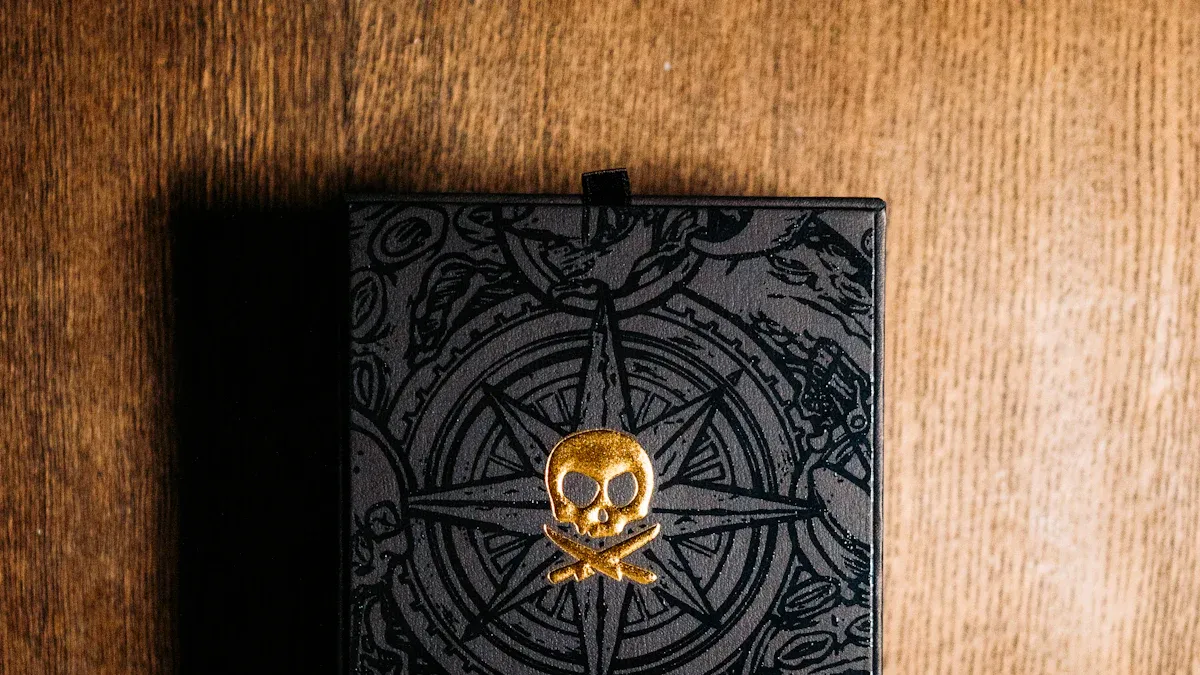
Limited edition jewelry boxes serve as powerful tools in marketing, elevating both the perceived value and the emotional appeal of each jewelry piece. Jewelry packaging manufacturers recognize that packaging goes beyond protection; it shapes the customer experience. Many modern consumers expect packaging that mirrors the luxury of their purchase. Brands like Bario Neal invest in high-end packaging, custom jewelry boxes, and elegant Jewelry Display solutions, which often include a Jewelry Pouch for added flair. These touches reinforce brand recognition and encourage repeat purchases. Limited edition packaging, when crafted with attention to design and storytelling, delivers significant marketing value and strengthens customer loyalty.
- Premium packaging enhances perceived value and deepens brand loyalty.
- Memorable unboxing moments drive repeat purchases and increase customer retention.
Defining Campaign Goals and Audience for Limited Edition Jewelry Boxes
Clarifying Marketing Value and Objectives
Limited edition packaging serves as a strategic tool in jewelry marketing. Brands set clear objectives to maximize marketing value and create a huge opportunity to stand out in a crowded marketplace. The most common goals include:
- Creating a sense of exclusivity
- Generating urgency among consumers
- Enhancing brand identity through innovative packaging design
- Attracting new audiences
- Sparking social media conversations
- Strengthening customer loyalty
Limited edition packaging is not just about changing the appearance of jewelry packaging. It represents a deliberate initiative that increases product visibility and value. Brands often leverage the fear of missing out by offering unique limited edition products for a short period. This approach prompts faster purchasing decisions and deepens consumer commitment.
Driving Sales and Conversions
Brands use packaging marketing strategy to drive sales and conversions. Limited-time collections instill urgency, encouraging customers to act quickly. Packaging that highlights exclusivity and scarcity motivates buyers to make immediate decisions.
Building Brand Awareness
Innovative jewelry packaging boosts brand recognition. By aligning packaging with campaign themes, brands create memorable experiences that spark marketing opportunities. Social media conversations often follow unique unboxing moments, expanding reach and awareness.
Celebrating Milestones or Collaborations
Limited edition packaging often marks milestones or collaborations. Brands develop exclusive collections that tell a cohesive story, celebrating anniversaries, partnerships, or product launches. This storytelling approach increases emotional engagement and marketing value.
Identifying Target Customer Segments
Understanding the audience is essential for successful limited edition jewelry boxes. Market research reveals that younger consumers respond strongly to unique packaging.
| Customer Segment | Age Group | Responsiveness to Limited Edition Packaging |
|---|---|---|
| Millennials | 25-44 | High |
| Gen Z | 25-44 | High |
The analysis shows that millennials and Gen Z, aged 25-44, prefer personalized and unique products. These groups value experiences over material possessions, shifting jewelry buying patterns. They also support brands that embrace diversity and inclusivity.
Demographics and Psychographics
Younger generations prioritize ethical and sustainable jewelry. They feel comfortable shopping online and are influenced by digital channels. Celebrity endorsements and influencer marketing shape their purchasing decisions.
Customer Preferences and Behaviors
Millennials and Gen Z expect personalized shopping experiences. They buy jewelry for self-purchase and personal milestones, not just traditional occasions. They seek brands that offer diverse and inclusive packaging options.
Aligning Jewelry Packaging Design with Campaign Themes
Successful brands align jewelry packaging design with campaign themes to enhance marketing impact. They use sustainable materials, minimalist aesthetics, and personalized touches. This approach creates memorable unboxing experiences and reflects brand values.
Seasonal or Holiday Campaigns
Brands align jewelry designs with major holidays to tap into seasonal sentiments. Packaging often features festive colors, motifs, or limited edition packaging elements that resonate with the occasion.
Special Events or Product Launches
Exclusive packaging for product launches or special events tells a cohesive story. Brands use packaging to highlight collaborations, anniversaries, or new collections, creating marketing opportunities and strengthening brand recognition.
Tip: Aligning packaging design with campaign themes ensures consistency and maximizes marketing value.
Key Elements of Limited Edition Jewelry Box Design
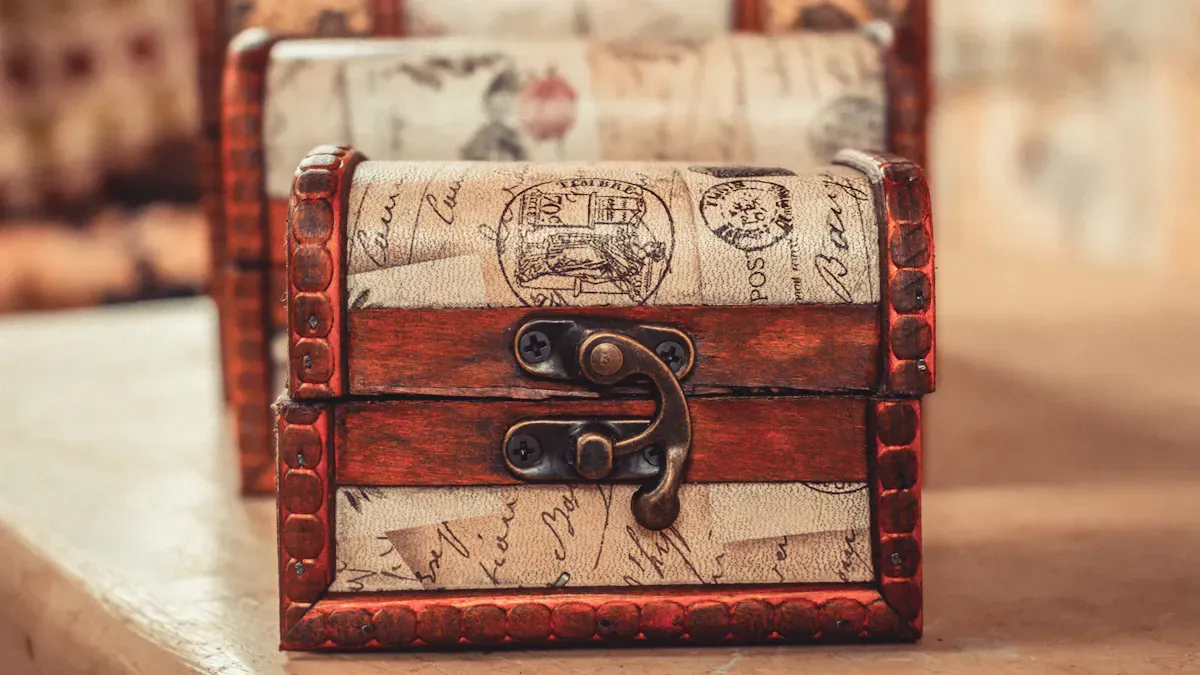
Limited edition jewelry boxes stand apart from standard packaging by delivering a sense of prestige and exclusivity. Brands use these boxes to create excitement, encourage quick purchases, and elevate the perceived value of their limited edition products. The following elements define successful custom jewelry packaging for special edition packaging campaigns.
Emphasizing Exclusivity in Limited Edition Packaging
Limited edition packaging must evoke feelings of rarity and collectibility. Brands achieve this by focusing on features that highlight the uniqueness of each piece.
Limited Quantities and Numbering
Brands often produce limited edition jewelry boxes in small batches. Each box receives a unique number, such as "12 of 100," which reinforces the idea of scarcity. This approach transforms the packaging into a collector's item and increases its desirability. Customers feel a stronger emotional connection when they know their purchase is one of a select few.
- Numbered packaging creates excitement and urgency.
- Collectors value packaging that stands out from regular offerings.
- Limited runs enhance the collectible nature of custom jewelry boxes.
Certificate of Authenticity
A certificate of authenticity adds another layer of exclusivity. This document verifies the limited nature of the product and often includes details about the design inspiration or collaboration. Customers appreciate the added assurance and storytelling, which increases the perceived value of the jewelry and its packaging.
Note: Professional packaging serves as a silent salesperson, conveying quality and attention to detail. Certificates and numbering justify premium price points and foster emotional connections with buyers.
Incorporating Unique Features and Custom Ring Boxes
Custom jewelry packaging for limited edition releases often includes features that transform the unboxing experience into a memorable event. Custom ring boxes and custom jewelry boxes can showcase brand heritage, craftsmanship, and innovation.
Custom Artwork and Embellishments
Brands use custom artwork, intricate patterns, and embellishments to make each custom jewelry box unique. These details may include hand-painted designs, embossed logos, or collaborative artwork with local artisans. Such features not only enhance the visual appeal but also tell a story that connects the customer to the brand.
Personalized Touches and Print Finishes
Personalization elevates custom jewelry packaging. Brands may add the recipient's initials, a special message, or micro-printed elements inside the box. Premium print finishes, such as foil stamping, embossing, or soft-touch lamination, add tactile interest and reinforce the luxury positioning of the packaging.
| Feature | Description |
|---|---|
| Narrative-Infused Interior Linings | Micro-printing of brand heritage elements enhances storytelling during unboxing. |
| Olfactory Memory Anchors | Microencapsulated fragrance technology creates emotional recall linked to the brand. |
| Limited-Edition Collaborative Designs | Local artisans and traditional craftsmanship add collectible value. |
| Iconic Brand Symbol Integration | Three-dimensional box shapes based on brand logos ensure instant recognition. |
| Secure Closure Mechanisms | Magnetic closures with sound feedback provide a premium user experience. |
| Anti-Tarnish Protective Layers | Advanced materials protect jewelry from oxidation. |
| Stackable Modular Shapes | Designed for collectors, allowing efficient storage and display. |
Tip: Unique packaging must stand out from standard offerings to convey prestige. The packaging should be considered a collector's item, adding value to the product.
Selecting Premium Materials for Jewelry Packaging
The choice of materials plays a crucial role in shaping customer perceptions of brand quality. Luxury jewelry packaging relies on high-end materials to evoke sophistication and trust.
Luxurious Textures and Velvet Interiors
Brands select materials such as velvet, suede, satin, and fine Italian leather for their custom jewelry boxes. Velvet interiors provide a soft, protective lining that enhances the luxury feel. These textures not only look elegant but also protect the jewelry from scratches and damage.
- Velvet (soft lining for luxury and protection)
- Suede
- Satin
- Genuine Leather
- Microfiber
- Flocked Fabric
Durable and High-Quality Construction
Durability is essential in custom jewelry packaging. Brands use sturdy materials like metal, molded plastic covered with fabric, EVA foam, and high-quality cardboard with velvet or satin coverings. These materials ensure the packaging protects the jewelry and maintains its shape over time.
- Metal
- Molded Plastic (covered with fabric)
- EVA foam
- Cardboard (with velvet or satin covering)
- Flocked Plastic
- Recycled Paper
Premium materials in jewelry packaging, such as high-quality papers, textiles, velvet linings, and sustainable options, play a crucial role in shaping customer perceptions of brand quality. These materials evoke luxury, sophistication, and a commitment to excellence. Iconic brands like Tiffany & Co., Cartier, and Bulgari use premium materials to create packaging that reflects their heritage and craftsmanship. This approach elevates the perceived value and exclusivity of their products, creating memorable unboxing experiences that reinforce brand identity and customer loyalty.
Research shows that luxury packaging with heavier substrates, restrained color palettes, and premium finishes like embossing and soft-touch lamination significantly increases perceived brand quality. Packaging acts as a sensory and emotional primer, setting expectations before the product is experienced. This elevates brand recognition, supports premium pricing, and fosters customer loyalty.
Note: Luxe materials and detailed designs enhance brand storytelling. Appealing packaging increases brand loyalty, and over half of consumers are more likely to repurchase if the packaging is attractive.
Custom jewelry packaging, when executed with attention to detail, premium materials, and unique features, transforms limited edition jewelry boxes into powerful marketing tools. Brands that design custom jewelry packaging with a focus on exclusivity, craftsmanship, and luxury create lasting impressions and drive repeat purchases.
Maintaining Brand Consistency in Limited Edition Packaging
Brand consistency forms the foundation of successful limited edition packaging. Leading jewelry brands understand that every detail in custom jewelry boxes must reinforce the brand’s identity. Consistent packaging design ensures that limited edition products feel like a natural extension of the brand, rather than a disconnected marketing effort. This approach builds consumer trust and strengthens brand recall. When customers encounter special edition packaging, they recognize the brand instantly, which increases the sense of prestige and exclusivity.
Logo Placement and Brand Colors
Logo placement plays a critical role in custom jewelry boxes. Brands position their logos in prominent locations, such as the center of the lid or inside the box, to maximize visibility. Strategic logo placement helps customers associate the packaging with the brand immediately. Many brands use foil stamping and embossing to highlight their logos, creating a tactile and visually appealing experience.
Brand colors also contribute to consistency. Jewelry brands select signature colors that reflect their identity. These colors appear in every limited edition packaging release, ensuring that customers recognize the brand at a glance. Seasonal colors may be introduced to make the packaging feel timely and relevant, but the core palette remains unchanged. This balance allows brands to innovate while maintaining a cohesive look.
| Strategy | Description |
|---|---|
| Use of Illustrations | Personalized illustrations help products stand out and attract collectors. |
| Foil Stamping and Embossing | These techniques enhance the tactile experience and visual appeal of the packaging. |
| Seasonal Colors | Incorporating seasonal colors makes the limited edition packaging feel timely and relevant. |
Custom jewelry boxes often feature illustrations that reflect the brand’s story. These illustrations, combined with signature colors and logo placement, create packaging that feels both exclusive and authentic.
Tip: Consistent logo placement and brand colors in custom jewelry boxes reinforce brand identity and increase customer loyalty.
Cohesive Visual Identity
A cohesive visual identity ensures that limited edition packaging aligns with the brand’s core values. Brands introduce fresh elements in custom jewelry boxes, such as unique artwork or new textures, but always maintain consistency in design. This approach prevents consumer confusion and strengthens the connection between the packaging and the brand.
Limited edition packaging should reflect the brand’s core identity. Cohesiveness in design helps customers feel confident in their purchase. Custom jewelry boxes use foil stamping, embossing, and illustrations to create a unified look. Brands avoid drastic changes that might confuse customers. Instead, they build on existing design elements, ensuring that every limited edition product feels familiar yet exciting.
- Limited edition packaging must reflect the brand’s core identity.
- It should introduce fresh elements while maintaining consistency in design.
- Cohesiveness in design helps avoid consumer confusion.
Custom jewelry boxes serve as ambassadors for the brand. When packaging design remains consistent, customers perceive the packaging as an integral part of the brand experience. This perception increases trust and encourages repeat purchases. Special edition packaging that maintains a cohesive visual identity stands out in the marketplace and attracts collectors.
Note: The limited edition packaging must feel like a natural extension of the overall brand image. This alignment not only strengthens brand recall but also builds consumer trust, ensuring that the packaging is perceived as an integral part of the brand experience rather than just a marketing gimmick.
Custom jewelry boxes that maintain brand consistency elevate the perceived value of limited edition products. Brands that focus on logo placement, brand colors, and cohesive visual identity create packaging that delivers prestige and exclusivity. This strategy ensures that every limited edition packaging release supports the brand’s reputation and marketing goals.
Creating Emotional and Social Impact with Limited Edition Jewelry Boxes
Storytelling Through Jewelry Packaging
Inspiration Behind the Design
Brands use custom jewelry packaging to tell stories that resonate with their audience. Each limited edition packaging project begins with a clear inspiration—this could be a celebration of a milestone, a tribute to a cultural motif, or a collaboration with a renowned artist. Designers often draw from nature, art, or historical references to create packaging that feels meaningful. This storytelling approach transforms limited edition jewelry boxes into more than just containers; they become keepsakes that reflect the journey behind the jewelry.
Connection to Brand Heritage or Values
Custom jewelry boxes serve as a canvas for brand heritage. Many brands incorporate signature colors, logos, and motifs that echo their legacy. Packaging design often highlights values such as sustainability, craftsmanship, or innovation. This alignment strengthens brand recognition and builds trust with customers who seek authenticity in limited edition products.
Enhancing the Unboxing Experience
Layered Reveals and Surprises
A memorable unboxing experience relies on thoughtful presentation. Brands use custom jewelry packaging with layered reveals, where each element—ribbons, tissue paper, or a thank-you note—adds anticipation. Customers discover the jewelry in stages, which heightens excitement and creates a sense of luxury. Personal touches, such as handwritten messages or exclusive booklets, make customers feel valued and increase marketing value.
- High-quality packaging materials provide a premium feel.
- Special display boxes or cushions showcase the jewelry beautifully.
- Extras like style booklets or accessories enhance the sense of exclusivity.
Sensory Elements (Touch, Scent, Sound)
Custom jewelry boxes engage multiple senses to create lasting impressions. Velvet interiors, soft-touch finishes, and magnetic closures offer tactile satisfaction. Some brands add subtle scents or sound cues, such as a gentle click when closing the box, to reinforce the luxury experience. These sensory details elevate custom jewelry packaging and contribute to creating a memorable unboxing experience.
Maximizing Social Media Appeal and Marketing Value
Instagrammable Moments
Packaging that creates social media moments drives brand engagement. Unique designs, personalized touches, and limited edition branding encourage customers to share their unboxing experiences online. Products that generate over 50 unboxing videos on social media can see sales increases of up to 30%. This demonstrates the power of custom jewelry packaging in amplifying marketing value.
| Feature | Description |
|---|---|
| Personalization | Custom branding and messaging enhance recognition. |
| Unique Designs | Distinctive aesthetics attract attention online. |
| Technology Integration | Interactive experiences engage customers. |
| Custom Inserts | Tailored packaging for different jewelry types. |
| Name Engraving | Adds a personal touch to the product. |
| Limited-Edition Branding | Creates exclusivity and urgency among buyers. |
Encouraging User-Generated Content
Brands encourage customers to share their experiences by including incentives like coupons or samples in custom jewelry boxes. Personalized unboxing moments inspire customers to post photos and videos, generating valuable user-generated content. This content acts as trusted social proof, boosting brand engagement and extending the reach of limited edition packaging campaigns.
Tip: Custom jewelry packaging that delights customers during unboxing links positive emotions to the brand, increasing satisfaction and repeat purchases.
Sustainability and Practicality in Limited Edition Packaging
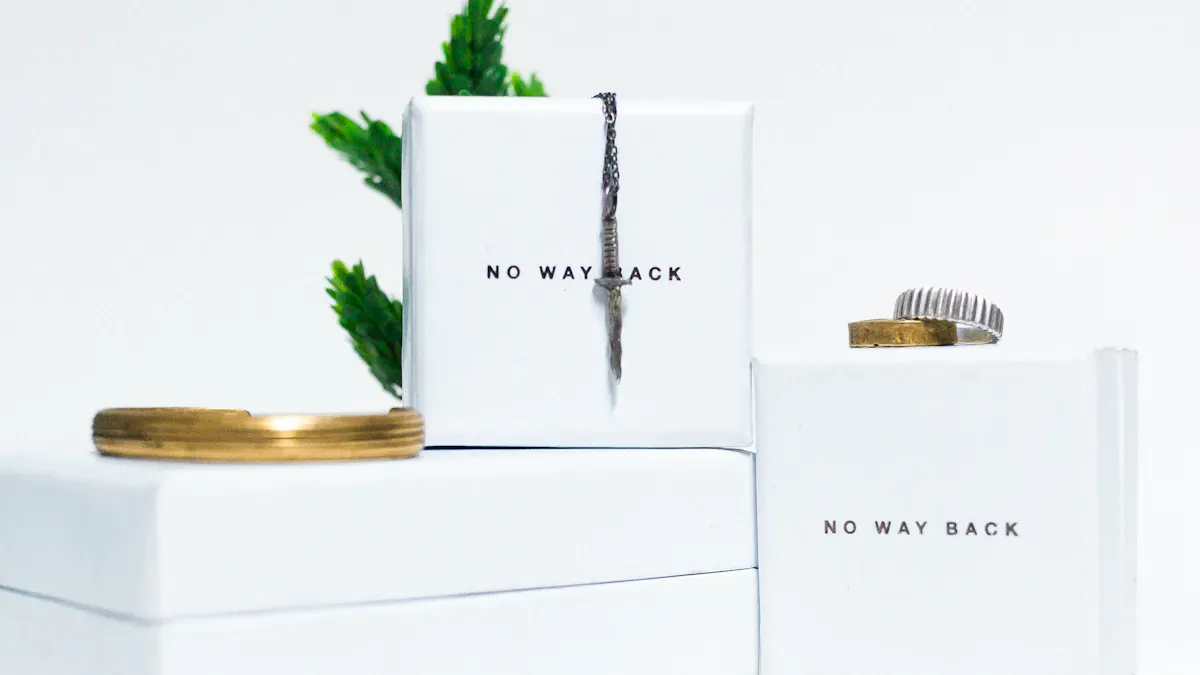
Choosing Eco-Friendly Materials for Jewelry Packaging
Recycled or Biodegradable Options
Jewelry brands now prioritize eco-friendly materials in custom jewelry packaging. They select biodegradable materials such as mushroom packaging, seaweed packaging, and plant-based plastics. These materials decompose within 90 days in commercial composting environments. Many brands also use reusable solutions like high-quality natural cotton pouches. These pouches are washable and designed for repeated use, reducing waste and supporting sustainable jewelry packaging.
| Material Type | Description | Decomposition Time |
|---|---|---|
| Biodegradable materials | Includes mushroom packaging, seaweed packaging, and plant-based plastics. | 90 days in commercial composting |
| Reusable solutions | High-quality natural cotton pouches that are washable and reusable. | N/A |
Responsible Sourcing
Responsible sourcing remains essential in custom jewelry packaging. Brands choose suppliers who follow ethical practices and use recycled content. This approach ensures that every piece of packaging aligns with environmental values. When brands demonstrate a commitment to sustainability, they build trust and loyalty among consumers. Over 60% of global consumers consider sustainability a key factor when making purchasing decisions. By prioritizing eco-friendly packaging, brands encourage conscious choices and strengthen their reputation.
Brands that invest in sustainable packaging design signal environmental responsibility and attract environmentally aware customers.
Designing for Reusability and Custom Ring Boxes
Multi-Purpose Box Uses
Custom ring boxes now serve more than one purpose. Designers create packaging that transforms into keepsake holders, travel cases, or decorative storage. Customers appreciate packaging that extends beyond the initial unboxing. Multi-purpose custom jewelry packaging reduces waste and adds value to the purchase.
Easy Storage and Longevity
Durability and easy storage define practical custom ring boxes. Brands use sturdy materials and thoughtful construction to ensure longevity. Stackable shapes and compact designs help customers store their jewelry safely. These features make custom jewelry packaging both functional and appealing.
- Multi-purpose packaging supports sustainability goals.
- Long-lasting custom ring boxes encourage customers to reuse rather than discard.
Balancing Aesthetics with Functionality
Secure Jewelry Protection
Custom jewelry packaging must protect valuable items. Brands tailor packaging solutions for rings, necklaces, and earrings. Each custom ring box includes secure inserts and cushioned interiors. These features prevent damage and maintain the jewelry’s pristine condition.
User-Friendly Opening and Closing
User experience matters in packaging design. Custom ring boxes feature magnetic closures, easy-to-open lids, and smooth hinges. These elements create a satisfying unboxing moment while ensuring the jewelry remains safe. Packaging serves as both a protective tool and a way to connect emotionally with customers. Brands balance aesthetics, functionality, and recognition to deliver memorable experiences.
Custom jewelry packaging that combines beauty and practicality elevates brand value and meets consumer expectations for both style and substance.
Launch and Promotion Strategy for Limited Edition Jewelry Boxes
A successful launch and promotion strategy ensures that limited edition packaging captures attention and drives demand. Brands use a combination of pre-launch excitement, strategic release tactics, and post-launch engagement to maximize the impact of their packaging marketing strategy.
Pre-Launch Teasers and Hype
Sneak Peeks and Countdown Campaigns
Brands build anticipation by sharing sneak peeks of their limited edition packaging on social media and through email newsletters. Countdown campaigns create excitement as the launch date approaches. Visual teasers, such as close-up shots of unique packaging details or behind-the-scenes glimpses, spark curiosity and encourage followers to stay engaged. Countdown timers on websites and social channels reinforce urgency, reminding customers that the opportunity to own these exclusive boxes is limited.
Influencer and VIP Previews
Jewelry brands leverage influencer and VIP previews to generate buzz and establish prestige. They often:
- Host exclusive, invite-only events for influencers and VIP clients, sending personalized invitations to high-value guests.
- Select unique venues that align with the brand’s image, incorporating luxury touches like signature cocktails and live entertainment.
- Offer first access to limited edition packaging, allowing guests to preview and share their experiences before the public launch.
- Collaborate with influencers who reflect the brand’s values, encouraging authentic content and behind-the-scenes coverage.
- Share curated event content on social media, creating a sense of FOMO among wider audiences.
- Follow up with personalized thank-you notes and exclusive offers to maintain relationships and sustain excitement.
These strategies help brands build anticipation and position their packaging as a must-have collectible.
Strategic Release and Distribution of Limited Edition Packaging
Limited-Time Offers
Limited-time offers play a crucial role in driving urgency and boosting sales of limited edition packaging. Brands use phrases like “limited stock” or “only for a short time” to prompt immediate action. Countdown timers and special logos on packaging reinforce the sense of exclusivity. The scarcity principle motivates customers to purchase quickly, appealing to collectors and status-driven buyers. Flash sales and short-term promotions, supported by aggressive marketing across email, social media, and website banners, further intensify urgency and drive rapid conversions.
Exclusive Channels or Events
Brands often release limited edition packaging through exclusive channels or at special events. Pop-up shops, private trunk shows, and online VIP access create memorable experiences and reinforce the rarity of the offering. These channels allow brands to control the narrative and ensure that only select customers can access the most coveted packaging.
Post-Launch Engagement and Marketing Value
Customer Testimonials and Reviews
After launch, brands sustain interest by showcasing customer testimonials and user stories. Real feedback highlights the craftsmanship and emotional impact of the packaging. Sharing these stories on social media and websites builds trust and encourages others to share their experiences.
Social Sharing Incentives
Brands drive continued engagement by encouraging customers to share unboxing moments online. They may offer incentives such as exclusive discounts, entry into giveaways, or recognition on brand channels. Additional tactics include:
- Sponsoring local events to foster community connections.
- Partnering with complementary businesses to reach new audiences.
- Hosting in-store events like workshops or trunk shows for memorable experiences.
- Leveraging high-quality visuals and user-generated content to boost visibility.
These efforts extend the reach of limited edition packaging campaigns and reinforce the brand’s reputation for innovation and exclusivity.
Measuring Success and Gathering Feedback on Jewelry Packaging
Tracking Key Performance Indicators for Marketing Value
Sales and Conversion Rates
Brands measure the effectiveness of limited edition packaging by tracking sales and conversion rates. These metrics reveal how well the packaging marketing strategy influences purchasing decisions. A noticeable increase in sales after a campaign launch often signals that the packaging resonates with the target audience. Companies compare conversion rates before and after introducing new packaging to determine its direct impact. High conversion rates suggest that customers perceive the packaging as valuable and exclusive.
Social Media Engagement
Social media engagement provides another important indicator of success. Brands monitor likes, shares, comments, and mentions related to unboxing experiences. Customers often share photos and videos of their unboxing moments, which amplifies brand visibility. A spike in user-generated content signals that the packaging creates excitement and encourages social sharing. Companies also track hashtags and branded content to assess the reach and influence of their limited edition packaging campaigns.
Tip: Monitoring both sales data and social media activity offers a comprehensive view of how packaging drives marketing value and customer interest.
Collecting Customer Feedback on Limited Edition Jewelry Boxes
Surveys and Direct Responses
Brands gather actionable insights by conducting market research through surveys, questionnaires, and interviews. These methods help companies understand customer preferences and expectations for jewelry packaging. Regular surveys allow brands to adapt quickly to changing needs and refine future packaging designs. Direct responses from customers, such as emails or feedback forms, provide detailed opinions on what works and what could improve.
- Distribute online surveys after purchase to capture immediate impressions.
- Use follow-up emails to request feedback on the unboxing experience.
- Offer incentives, such as discounts or loyalty points, to encourage participation.
Analyzing Unboxing Content
Analyzing unboxing content on social media reveals how customers interact with limited edition packaging. Brands review photos, videos, and stories to identify which packaging elements generate the most excitement. Interactive content, such as polls and contests, encourages customers to share their experiences and opinions. Continuous feedback loops through regular surveys and social media interactions help brands stay aligned with customer expectations.
- Monitor hashtags and mentions for authentic customer reactions.
- Collect and review user-generated content to spot trends and preferences.
- Engage with customers who post unboxing content to build stronger relationships.
By combining quantitative data from sales and social media with qualitative feedback from surveys and unboxing analysis, brands gain a complete understanding of their packaging marketing strategy’s effectiveness. This approach ensures that future jewelry packaging meets both business goals and customer desires.
Common Mistakes to Avoid in Limited Edition Packaging Design
Designers often strive for innovation when creating custom ring boxes and custom jewelry boxes for limited edition products. However, several common mistakes can undermine the effectiveness of packaging that influences buying decisions.
Overcomplicating Jewelry Packaging
Many brands fall into the trap of adding too many decorative elements to custom ring boxes. They may prioritize intricate designs, complex opening mechanisms, or excessive embellishments. While these features can look impressive, they often make the packaging difficult to use.
Sacrificing Usability for Aesthetics
When designers focus solely on aesthetics, they risk creating custom jewelry boxes that frustrate customers. For example, a box with a complicated clasp or a hidden compartment may confuse users. Customers want packaging that feels luxurious but also opens smoothly and protects the jewelry inside. Overly complex custom ring boxes can lead to negative unboxing experiences and even damage the jewelry during handling. Brands should remember that the best packaging combines beauty with practicality.
Tip: Always test custom ring boxes with real users to ensure that the design enhances, rather than hinders, the unboxing experience.
Ignoring Brand Alignment in Limited Edition Jewelry Boxes
Brand alignment remains essential for custom jewelry boxes, especially for limited edition jewelry boxes. Some brands treat logo application as a simple print job, which can result in an illegible or poorly placed logo. This mistake weakens brand credibility and confuses customers.
Inconsistent Messaging or Visuals
Inconsistent messaging or visuals in custom ring boxes can dilute the impact of limited edition products. For instance, using colors or graphics that do not match the brand’s identity creates confusion. Customers may not recognize the packaging as part of the brand’s collection. Packaging should always reinforce the brand’s story and values. Every detail, from logo placement to color palette, must align with the overall brand image. Neglecting this consistency can turn custom jewelry boxes into missed marketing opportunities.
- Failed logo application reduces brand recognition.
- Uncoordinated visuals make packaging less memorable.
Neglecting Sustainability in Custom Ring Boxes
Sustainability has become a key concern for consumers. Many brands overlook this aspect when designing custom ring boxes and custom jewelry boxes. They may choose materials that look luxurious but harm the environment.
Using Non-Eco-Friendly Materials
Selecting non-eco-friendly materials for custom ring boxes can damage a brand’s reputation. Customers increasingly expect brands to use recycled or biodegradable options in packaging. Ignoring this trend can result in negative feedback and lost sales. Packaging that lacks sustainable features may also fail to meet regulatory standards in some markets. Brands should prioritize responsible sourcing and eco-conscious materials for all custom jewelry boxes.
| Mistake | Impact on Brand and Customer Experience |
|---|---|
| Overcomplicated packaging | Frustrates users, increases risk of damage |
| Inconsistent branding | Reduces recognition, weakens marketing message |
| Non-sustainable materials | Damages reputation, alienates eco-conscious buyers |
Note: Packaging durability also matters. Beautiful custom ring boxes that cannot withstand shipping may arrive damaged, leading to poor customer experiences and returns.
By avoiding these common mistakes, brands can create custom ring boxes and custom jewelry boxes that delight customers, reinforce brand identity, and support sustainability goals.
Designing limited edition packaging for marketing campaigns requires a blend of exclusivity, storytelling, and practical features. Brands achieve memorable customer experiences by focusing on campaign goals, audience insights, and unique packaging elements. Sustainability and a strong launch strategy increase impact and foster loyalty. Jewelry packaging that balances innovation with brand consistency leads to higher sales, stronger recognition, and lasting impressions. Effective packaging transforms a simple purchase into a cherished memory.
FAQ
What makes a jewelry box "limited edition"?
A limited edition jewelry box features exclusive designs, unique numbering, or special collaborations. Brands produce these boxes in small quantities. This approach increases perceived value and creates urgency among collectors and customers.
How do brands choose materials for limited edition packaging?
Brands select premium materials like velvet, leather, or recycled paper. They consider durability, aesthetics, and sustainability. Material choice reflects the brand’s commitment to quality and environmental responsibility.
Why is storytelling important in jewelry packaging?
Storytelling connects customers to the brand’s heritage and values. Packaging with a clear narrative creates emotional engagement. Customers remember the experience and feel a stronger bond with the brand.
How can limited edition packaging boost social media engagement?
Unique packaging encourages customers to share unboxing moments online. Brands often include hashtags or incentives. User-generated content increases brand visibility and attracts new audiences.
Are sustainable materials suitable for luxury jewelry boxes?
Yes. Many luxury brands use eco-friendly materials like biodegradable plastics or recycled textiles. These options maintain a premium look while supporting environmental goals.
What features improve the unboxing experience?
Layered reveals, soft-touch finishes, and personalized notes enhance the unboxing process. Secure closures and sensory elements like scent or sound add to the luxury feel.
How do brands measure the success of limited edition packaging?
Brands track sales, conversion rates, and social media engagement. They also collect customer feedback through surveys and analyze unboxing content for insights.