How to Identify High-Quality MDF vs Solid Wood in Jewelry Boxes
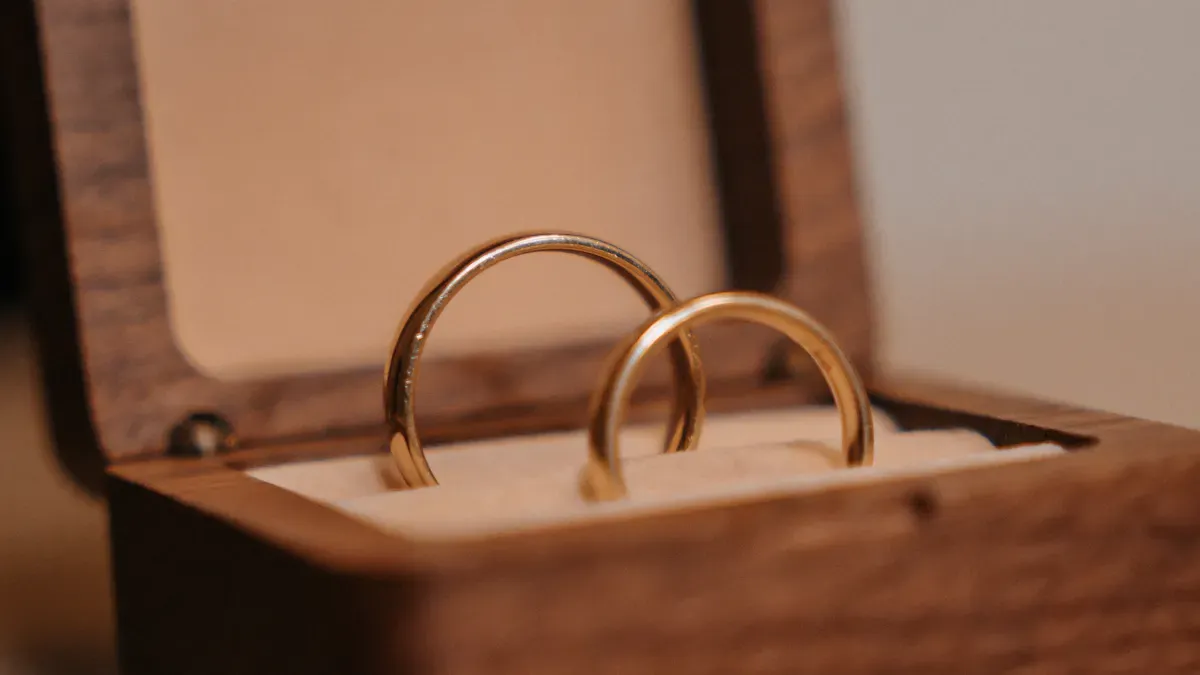
When you want to Identify High-Quality MDF and solid wood in custom jewelry boxes, start by examining the grain patterns, edges, and finish. The material you select plays a crucial role in the quality, durability, and value of your jewelry packaging. For instance, consumer reports indicate that while solid wood provides excellent impact resistance and long-lasting performance, even the best high-quality MDF can be more susceptible to moisture damage.
| Material | Durability Aspect | Notes |
|---|---|---|
| Identify High-Quality MDF | Impact Resistance | Less resistant to scratches than solid wood. |
| Moisture Vulnerability | Absorbs water, may swell or lose integrity. | |
| Solid Wood | Impact Resistance | Withstands damage, lasts for generations. |
| Longevity | Can be refinished multiple times. |
Advice from a jewelry packaging manufacturer suggests evaluating the weight, sound, and surface texture of your custom jewelry boxes. These simple checks help buyers choose the best options for Jewelry Display or a Jewelry Pouch, ensuring their jewelry packaging meets both aesthetic and functional needs.
Identify High-Quality MDF vs Real Wood: Key Differences
Visual Cues for Quality
Grain Patterns in Solid Wood vs MDF
Wood furniture makers often rely on grain patterns to distinguish between real wood and MDF. Solid wood displays unique, varied grain patterns that reflect the natural growth of the tree. Each piece of real wood offers a distinct appearance, making solid wood construction highly valued in custom furniture. In contrast, MDF surfaces appear uniform and lack the organic variation seen in real wood. Medium-density fiberboard, commonly used in jewelry boxes, features a consistent texture that does not mimic the complexity of wood grain. Buyers who want to identify high-quality MDF should look for surfaces that are smooth and even, without the knots or streaks found in solid wood.
| Indicator | MDF Characteristics | Solid Wood Characteristics |
|---|---|---|
| Grain Patterns | Uniform, lacks natural variation | Unique, varied grain patterns |
| Tactile Feel | Smooth and warm edges | Rougher edges, more natural feel |
Edges and Corners: What to Look For
Edges and corners provide important clues about material quality. Solid wood construction often reveals sharper, less uniform edges, sometimes with visible end grain. Real wood corners may show slight imperfections, adding character to wood furniture. MDF, on the other hand, presents smooth, rounded edges due to its engineered nature. Custom furniture made from MDF usually has seamless corners, which help identify high-quality MDF in jewelry boxes. Inspecting the edges closely allows buyers to differentiate between solid wood and MDF quickly.
Surface Finish and Color Consistency
Surface finish and color consistency play a significant role in identifying material quality. Solid wood furniture displays subtle color variations, even after staining or finishing. Real wood absorbs finishes unevenly, resulting in a rich, layered appearance. MDF surfaces, especially those used in custom furniture, maintain a uniform color and finish. Medium density fiberboard accepts paint and lacquer evenly, producing a consistent look. Buyers who want to identify high-quality MDF should check for flawless finishes and steady color throughout the jewelry box.
Physical Characteristics of Solid Wood and MDF
Weight and Density Comparison
Weight and density offer reliable indicators for distinguishing between solid wood and MDF. Solid wood construction feels heavier and denser, especially in custom furniture pieces. Real wood jewelry boxes often require more effort to lift, reflecting their robust build. MDF, while dense, remains lighter and less rigid. Jewelry boxes made from MDF can be moved easily, which helps buyers identify high-quality MDF. The following table summarizes these differences:
| Material | Strength | Density |
|---|---|---|
| Solid Wood | Superior | Varies by species |
| MDF | Less strong | Dense |
Natural oak and pine planks demonstrate tremendous durability. Proper maintenance ensures solid wood stands the test of time, making it a preferred choice for wood furniture.
Sound and Feel When Tapped
Sound and tactile feedback further distinguish solid wood from MDF. Tapping solid wood produces a deep, resonant sound, reflecting its density and strength. Real wood surfaces feel firm and substantial. MDF, in contrast, emits a dull sound when tapped. The tactile feel of MDF is smoother and warmer, lacking the natural texture of wood. Buyers can identify high-quality MDF by listening for muted sounds and feeling for smooth surfaces in custom furniture.
- Solid wood is known for its strength and longevity.
- Properly maintained solid wood can last a lifetime without significant wear and tear.
- MDF, while versatile, cannot match the strength of solid wood.
Construction Details in Solid Wood Furniture and MDF Boxes
Joints, Seams, and Build Quality
Joints and seams reveal much about the construction quality of wood furniture. Solid wood construction often uses traditional joinery methods, such as dovetail or mortise-and-tenon joints. These techniques enhance durability and showcase craftsmanship in real wood jewelry boxes. MDF boxes typically rely on glued seams or dowel joints, which are less robust. Buyers who want to identify high-quality MDF should inspect the joints for clean, precise assembly. Custom furniture makers use these methods to ensure stability and longevity.
Hardware Attachment and Fastening Methods
Hardware attachment methods differ between solid wood and MDF. Solid wood furniture allows screws and nails to grip firmly, supporting heavy hardware. Real wood jewelry boxes can accommodate hinges and locks without risk of splitting. MDF, however, requires special fasteners, such as threaded inserts, to prevent damage. Custom furniture made from MDF often uses adhesives or brackets for hardware attachment. Buyers can identify high-quality MDF by checking for secure, well-installed hardware in jewelry boxes.
Tip: Always inspect the hardware and joints before purchasing wood furniture or jewelry boxes. Quality construction ensures lasting value and durability.
What Is Solid Wood and High-Quality MDF?
Solid Wood: Definition and Features
Solid wood stands as a premium material in the world of jewelry boxes and solid wood furniture. Manufacturers source solid wood from natural timber, ensuring each piece retains the unique qualities of the tree it came from. This material offers unmatched strength and a sense of authenticity that appeals to collectors and everyday users alike. Solid wood furniture often features a robust build, making it a preferred choice for those seeking longevity and timeless appeal.
Real Wood Grain and Unique Patterns
Real wood showcases distinctive grain patterns that set each jewelry box apart. The grain in solid wood tells the story of the tree’s growth, with swirls, knots, and lines that never repeat. These natural variations give solid wood furniture a character that engineered materials cannot replicate. When examining real wood, one can see and feel the texture, which adds depth and warmth to any jewelry box. Natural timber provides these organic patterns, making every solid wood piece truly one-of-a-kind.
Common Uses in Jewelry Boxes and Solid Wood Furniture
Solid wood finds frequent use in high-end jewelry boxes and solid wood furniture. Artisans craft display cases, chests, and organizers from solid wood to ensure durability and elegance. Many luxury brands prefer solid wood for its ability to withstand daily use and maintain its beauty over time. Solid wood furniture, including dressers and cabinets, often features intricate joinery and hand-finished surfaces. These qualities make solid wood a top choice for heirloom-quality jewelry boxes and other wood products.
Identify High-Quality MDF: Definition and Features
High-quality MDF, or medium-density fiberboard, has become a popular alternative to solid wood in jewelry box manufacturing. MDF consists of fine wood fibers bonded under heat and pressure, resulting in a dense, uniform panel. This engineered wood offers several advantages for both manufacturers and consumers.
Smoothness, Uniformity, and Color
MDF provides a smooth, consistent surface that lacks the knots and grain found in solid wood. This uniformity allows for flawless finishes and vibrant colors, making MDF ideal for luxury packaging. The absence of natural imperfections ensures that each jewelry box looks sleek and modern. High-quality MDF also resists warping and splitting, maintaining its shape over time. Manufacturers appreciate the design flexibility, as MDF can be easily cut and shaped for custom projects.
Note: High-quality MDF uses reclaimed wood fibers, making it an environmentally friendly choice. It reduces the need for new raw materials and supports recycling efforts.
| Feature | Description |
|---|---|
| Cost-Effectiveness | MDF boxes are typically 30–40% cheaper than wooden boxes, reducing material expenses and production times. |
| Design Flexibility | Offers a perfect surface for printing, simple cutting, and consistent finishes, enhancing personalization. |
| Environmental Benefits | Utilizes reclaimed wood fibers, requires less raw material, and is fully recyclable, reducing carbon footprint. |
| Surface Quality | Homogeneous density ensures no knots or grain patterns, providing a consistent surface for luxury packaging. |
| Structural Stability | Resistant to warping and splitting, with consistent density and better screw-holding capability. |
Typical Applications in Jewelry Boxes
Manufacturers use high-quality MDF in a variety of jewelry box designs. This material provides the strength and durability needed for luxury boxes, ensuring that valuable items remain protected. Many brands select MDF for its robust structure, which enhances the perceived value of the product. Similar applications include high-end spirits boxes and cases for fine watches, where a strong and unyielding structure is essential.
- High-quality MDF supports intricate designs and custom finishes.
- It offers a reliable alternative to solid wood in modern jewelry packaging.
- Many luxury brands trust MDF for its consistent performance and attractive appearance.
Step-by-Step Guide to Identify High-Quality MDF and Solid Wood
Visual Inspection for Real Wood and MDF
Spotting Real Wood Grain vs MDF Surfaces
A careful visual inspection helps buyers distinguish between real wood and mdf in jewelry boxes. The following steps provide a reliable method:
- Look at the grain pattern. Solid wood displays natural grain variations that change gradually and never repeat. Identical grain patterns or abrupt stops often indicate a veneer over mdf.
- Examine the edges and undersides. Solid wood shows continuous grain and natural changes, even in hidden areas. MDF appears flat and uniform, with no visible grain or texture.
These steps allow buyers to identify the material quickly and avoid confusion between engineered and natural wood.
Examining Edges for Quality and Material
Edges reveal important clues about the construction of jewelry boxes. Solid wood edges may show slight imperfections, such as small knots or unevenness. These features add character and indicate authenticity. MDF edges look smooth and rounded, with a consistent appearance. Checking the inside corners and less visible areas can confirm whether the box uses solid wood or mdf.
Assessing Finish and Surface Texture
The finish and surface texture provide further evidence of material type. Solid wood absorbs stain and lacquer unevenly, creating a rich, layered look. MDF accepts paint and lacquer evenly, resulting in a flawless, modern finish. Buyers should run their fingers across the surface to feel for natural texture or smoothness. A quality finish on solid wood will highlight the grain, while mdf will feel consistently smooth.
Physical Tests for Quality
Lifting and Weighing Jewelry Boxes
Weight serves as a practical indicator of material. Solid wood jewelry boxes feel heavier and more substantial due to the density of natural wood fibers. MDF boxes are lighter and easier to lift. Comparing two boxes of similar size can help buyers determine which one uses solid wood and which one uses mdf.
Tapping and Listening for Material Differences
Sound also distinguishes wood types. Tapping on solid wood produces a deep, resonant sound. MDF creates a dull, muted tone. This simple test helps buyers confirm their visual inspection and ensures they select a box with the desired material.
Construction and Quality Assessment
Inspecting Joints, Fasteners, and Build
Construction methods impact the durability and quality of jewelry boxes. The table below summarizes common techniques and their indicators:
| Construction Method | Quality Indicator | Notes |
|---|---|---|
| Mitre | Best | Clean and modern, should be reinforced with corner blocks |
| Panel | Best | Frame with a panel, ideally plywood, may use mdf |
| Straight Cuts | Okay | Sloppier appearance, easier to construct, may indicate lower quality |
| Dovetail | Best | Strong joint method, visible on the side of the drawer |
| Staples | Okay | Less structurally sound than dovetail options |
Solid wood construction often features dovetail or mitre joints, which provide strength and longevity. MDF boxes may use straight cuts or staples, which are less durable.
Identifying Veneers, Laminates, and Solid Wood
Buyers should check for veneers or laminates, which often cover mdf. Solid wood will show grain on all surfaces, including edges and undersides. Veneers may peel at the corners or display repeating patterns. Laminates feel artificial and lack the warmth of real wood. Careful inspection ensures buyers select a jewelry box with genuine solid wood or high-quality mdf, depending on their needs.
Tip: Solid wood offers natural beauty, durability, and a timeless style. MDF provides a cost-effective, uniform alternative but may require replacement sooner.
Quick Reference: Solid Wood vs High-Quality MDF Checklist
Side-by-Side Comparison Table
Industry experts recommend using a clear table to highlight the main differences between solid wood and high-quality MDF in jewelry boxes. This table allows buyers to quickly assess which material best suits their needs.
| Feature | Solid Wood | High-Quality MDF |
|---|---|---|
| Aesthetics | Represents luxury with natural beauty and permanence | Engineered for strength, often used in high-end applications |
| Durability | Requires specialized craftsmanship, less common | Denser and stronger than chipboard, ideal for heavy items |
| Applications | Used for collector’s items and heirloom products | Common in packaging for spirits and fine watches |
| Grain Patterns | Unique, varied, and natural | Uniform, lacks natural variation |
| Weight | Heavier, robust feel | Lighter, easier to handle |
| Finish | Rich, layered, absorbs stain unevenly | Consistent, flawless, accepts paint evenly |
| Construction | Traditional joinery, visible craftsmanship | Engineered joints, seamless corners |
| Hardware | Firm grip for screws and nails | Requires special fasteners or adhesives |
Tip: Buyers should use this table as a quick reference when evaluating jewelry boxes made from wood or MDF. The table highlights the most important features for quality and durability.
Identification Checklist for Quality
A practical checklist helps buyers identify high-quality jewelry boxes, whether they are made from wood or MDF. Industry professionals suggest focusing on structural integrity, finish, and manufacturer reputation.
- Structure: The box frame must feel strong and rigid. Weak or flexible frames indicate lower quality.
- Lining: The inside material should be soft and protective, such as velvet or suede. This protects jewelry from scratches.
- Organization: Compartments must suit the intended jewelry. Well-designed sections improve usability.
- Closure: Secure closures prevent accidental opening. Hinges and locks should operate smoothly.
- Finish: The outside covering must show consistent quality. For wood, look for rich grain and layered stain. For MDF, check for flawless paint or lacquer.
- Experience: Manufacturers with over 10 years in business often deliver superior products.
- Quality Control: Multi-step inspections and third-party certifications ensure reliability.
- Customization: Options like engraving and branding add value and personalization.
- Sustainability: FSC-certified wood supports responsible sourcing and environmental stewardship.
Note: Buyers should always inspect the box in person when possible. Touching the surface, lifting the box, and examining the joints provide valuable information about material quality.
A well-made jewelry box, whether constructed from wood or MDF, will demonstrate attention to detail and craftsmanship. Buyers who follow this checklist can confidently select a box that meets their expectations for durability, aesthetics, and value.
What Material Choice Means for Durability and Value
Durability and Longevity of Solid Wood and MDF
Durability stands as a defining factor when selecting a jewelry box. Solid wood jewelry boxes offer unmatched long-term durability, often lasting a lifetime and becoming cherished heirlooms. This resilience comes from the hardwood frame and the timeless wood craftsmanship that artisans use in quality wood furniture. In contrast, high-quality MDF jewelry boxes provide a more affordable option but have a shorter lifespan. Most MDF boxes last between one and three years before showing signs of wear or structural weakness.
| Material Type | Lifespan |
|---|---|
| MDF | 1-3 years |
| Solid Wood | Lifetime; potential heirloom |
Solid wood construction ensures that quality furniture remains robust through generations. The durability of solid wood also supports the value of timeless wood craftsmanship, making these boxes ideal for those who appreciate high-quality furniture.
Maintenance and Care for Each Material
Proper maintenance extends the life of both solid wood and MDF jewelry boxes. Owners should control moisture levels, keeping both materials away from high humidity. Sealing all surfaces, including edges, prevents moisture from penetrating and causing damage. Careful handling is essential; lifting the box rather than dragging it helps maintain joint integrity. Prompt repairs to any surface damage protect both MDF and solid wood from further deterioration.
| Maintenance Practice | MDF Recommendations | Solid Wood Implications |
|---|---|---|
| Moisture Control | Keep panels dry; avoid high humidity (above 70%) | Prevent warping with similar moisture control |
| Surface Sealing | Seal all surfaces, including edges | Sealing maintains integrity |
| Proper Handling | Lift when relocating to avoid joint stress | Careful handling important for both materials |
| Repair Damage | Repair surface finishes quickly to prevent moisture exposure | Prompt repairs prevent deterioration |
Routine care preserves the durability and maintenance of both types of jewelry boxes. Owners who value quality furniture should follow these practices to ensure their investment remains in excellent condition.
Value, Resale, and Long-Term Quality
Material choice directly impacts the value and resale potential of a jewelry box. Solid wood boxes, crafted with timeless wood craftsmanship, often retain or increase in value over time. These pieces become family treasures, reflecting the artistry and durability found in quality wood furniture. High-quality MDF boxes, while attractive and functional, rarely achieve the same long-term quality or resale value.
Sustainability also plays a significant role in material selection. Solid wood production can contribute to deforestation, which leads to climate change and environmental degradation. MDF, made from recycled wood fibers and resins, offers a more sustainable alternative. Choosing MDF helps reduce the ecological footprint and supports responsible manufacturing.
- MDF meets strict health and compliance standards.
- Using MDF helps prevent tree loss and supports sustainability.
- MDF production contributes to a more sustainable process than solid wood.
- Sustainability remains a key consideration for buyers seeking environmentally responsible options.
Selecting between solid wood and MDF involves balancing durability, craftsmanship, value, and sustainability. Buyers who prioritize long-term durability and timeless wood craftsmanship may prefer solid wood. Those who value sustainability and affordability may find high-quality MDF a suitable choice.
Practical Buying Tips for Solid Wood and High-Quality MDF Jewelry Boxes
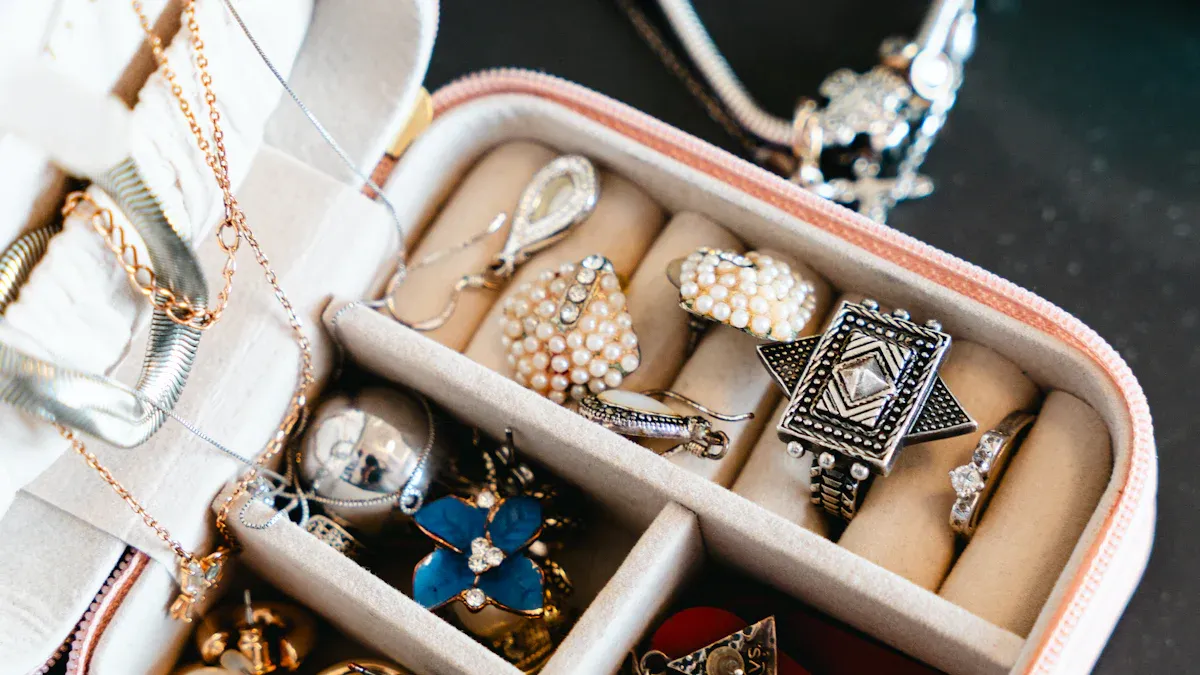
Questions to Ask Sellers About Quality
Buyers should approach jewelry box purchases with a discerning eye. They can ask sellers direct questions to verify the authenticity and quality of materials.
- Request specific material details rather than accepting vague descriptions such as "wood finish."
- Inspect the edges and undersides of the jewelry box to confirm construction quality.
- For solid wood, inquire about the grain consistency across joints.
- For veneer, check if the edges are neatly finished and not lifting.
- For MDF, ensure the box features sealed paint or laminate to protect against moisture.
- Consider weight, texture, and visible joinery as indicators of quality, not just surface shine.
- Choose brands that clearly specify their materials and have a history as a reputable source.
These buying tips for consumers help them avoid common pitfalls and ensure they select a jewelry box that meets their expectations.
Red Flags When Identifying Materials
Certain warning signs indicate lower quality or misleading material claims. Buyers should remain vigilant for these issues:
Boxes with inconsistent grain patterns or abrupt changes often use veneers over MDF.
Visible peeling or lifting at the corners signals poor veneer application.
Lightweight boxes may indicate engineered wood rather than solid wood.
Hardware that feels loose or poorly attached suggests weak construction.
Sellers who avoid answering questions about material specifics may not offer genuine products.
Buyers who notice these red flags should reconsider their purchase or seek alternatives.
How to Prioritize Your Needs and Preferences
Selecting the right jewelry box involves balancing durability, appearance, and price. The following table outlines how buyers can prioritize these factors:
| Price Range | Material Description | Durability |
|---|---|---|
| Budget ($15–$40) | Typically made from engineered wood with basic velvet lining. | Functional but may degrade within 2–3 years. |
| Mid-Range ($40–$100) | Often use real hardwood veneers or solid softer woods like poplar. | Better hinges, lining, and design details. |
| Premium ($100–$250+) | Crafted from solid walnut, cherry, or teak with hand-finishing and brass hardware. | Ideal for gifts or long-term ownership. |
Buyers should assess their priorities. Those seeking longevity and heirloom quality may prefer premium solid wood options. Others who value affordability and modern design may choose high-quality MDF. Appearance, durability, and price each play a role in the final decision.
Tip: Buyers should match their jewelry box choice to their intended use. For daily storage, durability matters most. For gifting, appearance and craftsmanship take precedence.
Selecting a jewelry box requires careful attention to material and craftsmanship. Buyers can identify high-quality MDF by its smooth surface and cost-effective veneer options, while solid wood stands out for its unique grain and premium feel. Key considerations include:
- Solid wood offers superior durability, safety, and long-term value.
- MDF provides efficient production and a luxurious look at a lower price.
- Moisture resistance and craftsmanship impact longevity and protection.
Prioritizing these factors ensures the jewelry box meets both functional and aesthetic needs.
FAQ
How can someone quickly tell the difference between solid wood and high-quality MDF in a jewelry box?
They can check the grain pattern and edges. Solid wood shows unique grain and may have slight imperfections. High-quality MDF has a smooth, uniform surface and rounded edges.
Does high-quality MDF last as long as solid wood?
High-quality MDF offers durability for several years. Solid wood often lasts decades or generations. Solid wood resists impact and can be refinished, while MDF may swell if exposed to moisture.
Are there common misconceptions about MDF in jewelry boxes?
Many believe MDF always means poor quality. In reality, high-quality MDF provides strength and a flawless finish. Manufacturers use it for luxury packaging and modern designs.
What are the main advantages of solid wood jewelry boxes?
Solid wood jewelry boxes offer unique grain patterns, strong construction, and long-term value. They often become heirlooms and can be refinished to restore their appearance.
Can hardware attachments indicate the material used?
Yes. Solid wood holds screws and nails firmly. MDF requires special fasteners or adhesives. Loose hardware may signal lower quality or improper installation.
How does moisture affect solid wood and MDF differently?
Solid wood can warp with excess moisture but usually recovers with proper care. MDF absorbs water quickly, which can cause swelling or loss of structural integrity.
What are some misconceptions about solid wood jewelry boxes?
Some think all solid wood boxes are heavy and expensive. Lightweight woods and efficient designs can reduce weight and cost, making solid wood accessible for many buyers.
Is MDF an environmentally friendly choice?
Manufacturers often use reclaimed wood fibers to produce MDF. This process reduces waste and supports sustainability. Many buyers choose MDF for its lower environmental impact.