Luxury Jewelry Box Materials Backed by Real Stats
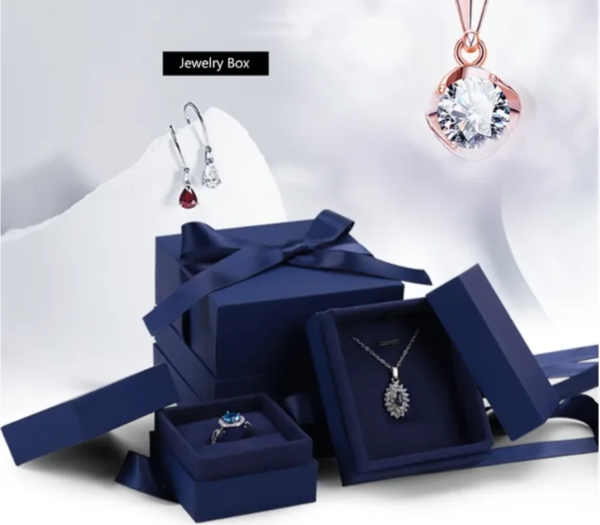
Strategic packaging choices define brand value. High-end brands select solid wood, genuine leather, and high-grade paperboard for luxury packaging applications. Market research details the financial trajectory of the global market:
The market value reaches USD 3,264.0 million in 2025.
The total valuation expands to USD 5,166.7 million by 2035.
The overall sector grows at a 4.7% CAGR during this period.
Wooden materials dominate the market share at 42%.
Modern luxury consumers also demand sustainable options like FSC-certified paperboard. Selecting an optimal luxury jewelry box allows executives to protect valuable items while elevating retail presentation.
Key Takeaways
Tough materials like real wood and genuine leather guard high-priced jewelry for many decades.
Around the world, the market for jewelry boxes will grow to over five billion dollars by 2035.
Green options like bamboo and approved paperboard cut waste and draw in today's buyers.
Soft inner velvet cushions and bright LED lights make opening the box an unforgettable experience for buyers.
Dominant Luxury Jewelry Box Materials
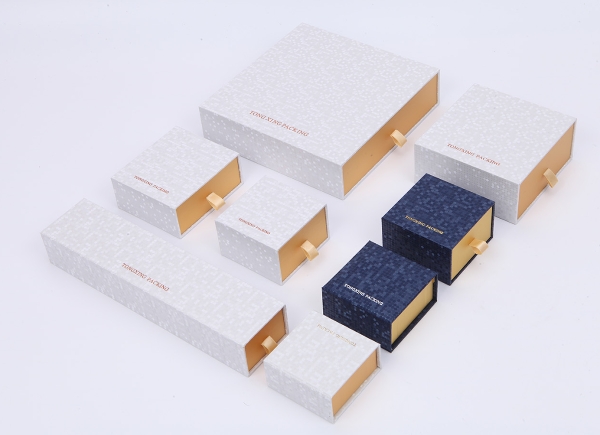
Fancy jewelry packaging uses specific outer materials to protect costly gems and build strong brand trust. Makers pick traditional outer surfaces for their long-lasting strength, solid shape, and smooth finished look.
Solid Wood and Leatherette Durability
Solid wood offers a tough frame to protect expensive jewelry during long storage. Still, box makers must choose their wood types very carefully. Red oak holds large amounts of natural tannins. These chemicals make silver tarnish much faster, so oak needs special clear coatings. Softer woods like pine give very low surface strength. Pine scores quite low on the standard Janka hardness test scale. Changing moisture levels warp pine shells easily, and sticky inside resins can leak onto soft velvet linings.
Outer covers give different protective benefits and stylish looks. Full-grain leather offers the highest toughness, and its surface looks better as it ages. Top-grain leather also resists daily wear and tear very well. Fake options like PU leather cost much less while resisting light scratches at first. However, fake plastic layers break down much faster than real animal skins.
Fake-leather wooden boxes pair a sturdy inner frame with a surface that cleans off easily. Companies frequently pick this useful mixed style to mix everyday convenience with lovely looks.
Synthetic leather jewelry boxes fight off water and spots at first, but they crack, peel, and turn brittle over time, especially in hot sun or shifting weather. They cannot last for many decades like genuine real leather does.
Market data shows steady global demand for safe storage and sturdy shipping boxes. Experts predict the worldwide jewelry box market will hit 3,500 million dollars by 2035. That growth marks a steady yearly rise of about 4.6 percent through those ten years. Higher personal spending power encourages families to buy luxury jewels, while growing online shopping requires stronger shipping containers. Every fancy jewelry box must survive rough delivery rides while providing pretty display options at home.
High-Density Paperboard and Custom Rigid Shells
Thick paperboard offers a fresh replacement for old-fashioned wooden frames. Packaging experts create custom hard boxes using strong grayboard centers. Large factory machines press paper fibers into dense, heavy boards. Craftsmen glue these stiff layers together to build solid box walls. The grayboard core provides great overall strength, but its rough texture cannot take detailed color printing. Workers cover the grayboard structure with a fine layer of smooth paper. This outer paper holds shiny foil stamps, raised logos, pressed designs, and bright company pictures easily.
Custom hard paperboard boxes offer clear business and shipping benefits for fancy jewelry brands:
Strong outer walls keep fragile items safe from unexpected drops during long delivery routes.
Light designs cut down on expensive freight fees and room costs inside large warehouses.
Built-in inner trays keep single jewelry pieces standing still inside the closed container.
Special outer paper wraps allow exact color matching and custom brand designs for stores.
Special interior pads use soft foam, plush cloth, or thick paperboard to hold precious rings and necklaces tightly during travel. These custom-shaped slots stop ugly scratches caused by items sliding around inside. Great paperboard boxes help top jewelry brands create an exciting opening moment without adding extra parcel weight. These tough yet light hard cases keep expensive jewelry safe across all modern store shelves and online shop shipments.
Eco-Friendly Materials and Market Growth
Green luxury packaging grows at a fast 8.2% rate each year across North America and Europe. Rich shoppers actively want modern eco-friendly packaging for their valuable private collections. Top store brands choose green options to protect fine gems, build customer trust, and save natural resources for the future. Modern buyers carefully check environmental facts before buying high-priced jewelry items.
FSC-Certified Wood, Bamboo, and Cork
Green material choices bring unique natural benefits and clear production values for modern box makers.
Material | Key Stat | Cost per unit | Luxury Feel | Sustainability Tier |
|---|---|---|---|---|
FSC-Certified Paperboard | Cuts new wood fiber use by 100%; creates 40% less carbon pollution than raw paper | $0.50-2.00 | Medium | Standard eco-friendly choice |
Bamboo | Grows 3 feet daily; matures in 3-5 years; makes 75% less carbon pollution than hardwood | $4-15 | High (elegant) | Level 1 (lowest environmental impact) |
Cork | Harvested from oak bark without harming trees; oak trees live over 200 years | $6-20 | Special natural feel | Level 1 (lowest environmental impact) |
Paper sellers manage more than 200 million protected forest hectares across the world in 2023. An FSC mark promises safe logging, protects wild plant lands, aids forest planning, and tracks wood from forests to shops. About 25% of buyers actively look for FSC labels on fine store packages. Also, 78% of shoppers prefer items from open companies with clear green habits.
Quick-growing bamboo stalks gain 3 feet every day and reach full size in 3 to 5 years. Bamboo creates 75% less carbon output than standard heavy timber trees. Cork oak bark offers another fast-growing green choice because workers collect bark while saving the live tree. One cork tree can easily survive for more than 200 years. Both bamboo and cork give light, water-resistant choices over old mahogany or walnut boxes. These plant-based choices show special natural patterns in their colors and feel.
Biodegradable Composites and Transparent PE Film
Fresh plant mixtures replace old packaging items across today's high-end shopping market. Natural plant materials form sturdy protective cases without using old oil-based plastics.
Bamboo-plastic mixes join green plant strands with natural resins to make strong outer box sides.
Processed corn starch shapes smooth stiff frames for fragile gift boxes and display trays.
Crushed sugarcane stalks form tough inner trays to hold heavy jewelry pieces safely.
Seaweed-based fibers create soft flexible dividers inside strong commercial shipping boxes.
These natural plant mixtures break down naturally over time without spreading harmful trash into local lands. Regular packaging builds often place tough fake velvet and oil-based polyester fabrics inside inner cushions. Those old plastic fabrics sit in dump sites for hundreds of years without rotting away. By contrast, real plant-based plastics rot safely and return to nature naturally.
Jewelry Package makes smart eco-friendly items like natural rotting boxes with clear PE windows. These smart builds mix green planet protection with elegant item views for buyers. The strong PE film uses 70% less material than old padded display boxes. Store shoppers easily look at fine chains and rings through a clear all-around view window. The tough film lets buyers use the box again at home while holding expensive gems safe during delivery rides. Every green luxury jewelry box mixes proved natural plant sourcing with high-end store style.
Innovative Accents and Interior Linings
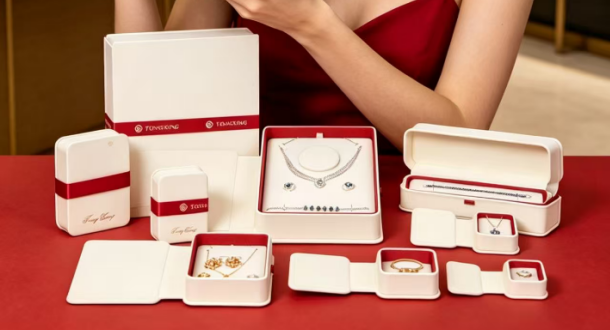
Fancy boxes rely on shiny details and soft linings to catch your eye. Designers pair solid metal, smooth glass, and soft fabrics to guard delicate items inside. These stylish parts turn plain storage items into cool displays for top brands.
Metals, Glass, and Structural Hardware
Modern box styles use clear glass, clean acrylic, and tough metals to form striking outer frames. Bright enamel coatings also add rich color to top-grade outer cases.
Hand-blown glass cases fit a popular 2026 style trend that honors real craft skills and offers clear product views.
Creators use shiny gold and silver layers to smooth out surfaces and add a rich feeling.
Makers pick light aluminum as a green material, adding carved gem patterns to outer sides.
Shiny metal trims highlight custom thread work and raised patterns on luxury outer covers.
Raised metal designs keep winning big attention from popular modern store brands.
Various building metals supply special shield traits and slick looks for top-tier packaging items.
Metal | Durability Benefits | Aesthetic Benefits |
|---|---|---|
Aluminum | Tough yet light; coated options fight wet air, scrapes, and rust; soft pads guard jewelry inside | Clean, modern look; brushed or non-shiny styles; comes in shades like rose gold and flat black |
Brass | Strong under regular care; stands up to outdoor elements; clear seals stop dark tarnishing spots | Warm, cool glow; fresh look; ages into a soft vintage shine over long years of use |
Stainless Steel | Very strong frame; fights off damp air, scuffs, and heavy rust; takes hard drops easily | Slick modern style; polished or brushed finishes catch light; comes in colors like smooth nickel |
Plush Velvet, Felt, and Protective Liners
Soft inside fabrics keep pricey gems safe from hard falls, rubs, and air harm. Top-quality boxes use plush velvet, soft fluff, and thick felt covers inside. Clever extra parts like hidden magnet tops trap items safely for store displays or shipping rides.
The Jewelry Box Series by Jewelry Package uses these soft pads across its custom line. Workers make strong magnetic lids with soft foam inserts to cradle small rings, chains, and bands. Custom velvet pads offer buyers a soft feel while holding precious gems firmly in place. Companies can also select fun flower shapes or smooth enamel shells to mark special romantic events.
Built-in LED lights are a huge hit for ring boxes. A tiny hidden bulb in the cover brightens a diamond's shine when opened, especially inside dark rooms.
Bright lights and smart moving parts build big excitement when opening gift boxes:
Inside lights shine down on gems as buyers open the lid, which boosts total visual charm.
Bright glowing parts build a quick personal bond during the fun unboxing step.
Neat folding shapes and custom interior lights create strong feelings of fun wonder.
Modern touch locks give buyers a strong sense of safety and sleek style.
Moving box parts mix smart design with art to deliver a fun hands-on feel.
Sliding drawer boxes need a soft pull, making the opening step feel personal and special.
Picking custom soft pads, shiny foil marks, and built-in LED lights helps high-end brands change basic boxes into fun memories.
Sourcing the Right Luxury Jewelry Box
Regional Dynamics and Retail Demands
Business buyers pick box materials based on shopping trends and clear sales needs. Home storage takes up 68% of the market, which requires tough, long-lasting builds. In contrast, store displays focus on looking great and creating fun unboxing moments for shoppers. Stiff paperboard boxes shield heavy items using strong, solid outer walls. Light folding boxes help busy small shops wrap up sales quickly. Industry studies show fashion items and clothing make up 28% of all packaging orders.
Store owners choose building materials based on how they sell their products:
Packaging Type | Commercial Applications | Selection Logic |
|---|---|---|
Rigid Boxes | Fine jewelry, high-value accessories | Thick walls hold heavy items safely and create fun opening moments for shoppers. |
Premium Bags | Accessories, boutique footwear | Strong bottoms hold heavy items easily, while soft handles show off fancy quality. |
Molded Inserts | All fragile jewelry items | Green paper trays replace plastic foam to hold delicate pieces firmly during shipping. |
Custom Packaging Solutions by Jewelry Package
Unique designs change basic gift boxes into memorable brand tools for top stores. The Jewelry Box Collection from Jewelry Package offers fully customizable styles for smaller shops. Companies choose shiny foil logos, soft ribbon ties, custom inner trays, and neat colors ranging from classic black to fresh mint green. Special packaging brings proven sales boosts to growing businesses. Vogue Vignettes saw a 30% jump in sales after switching to custom packaging. Bijou Boutique also boosted its sales by 45% using custom watch boxes. Buying custom luxury jewelry boxes builds lasting customer trust.
Jewelry Package helps new shop launches with fast build times and easy sample test steps:
Basic stock samples offer cheap ways to test build quality.
Custom factory samples cost $15 to $50, and the team returns this fee on big orders.
Making physical test samples takes 7 to 14 business days.
Factory building takes 10 to 15 business days for simple folding boxes.
Making complex hard boxes requires 18 to 25 business days.
Classic solid wood and real leather still protect valuable goods today. Meanwhile, eco-friendly FSC paper and fast-growing bamboo meet modern green demands. Inside the case, soft velvet fabrics shield fragile gems from sudden scratches. Bright LED lights shine on sparkling rings during exciting unboxing reveals. These interactive details build memorable opening moments for shoppers while boosting overall brand worth.
Business leaders must pick packaging materials using real market stats. Choosing the best fancy jewelry box helps top stores stand out in busy shopping markets. Expert packaging makers like Jewelry Package offer solid custom styles and quick physical samples. Smart material picks help build lasting customer trust for years to come.
FAQ
What are the most durable exterior materials for luxury jewelry boxes?
Real wood and natural leather offer the best lasting strength for fancy boxes. Hardwood builds a tough outer frame to shield contents inside. Meanwhile, top-grade leather stands up to everyday use and looks even nicer as time passes.
Why are luxury brands adopting FSC-certified paperboard and bamboo?
Green choices cut down on planet harm while pleasing today's eco-friendly shoppers. Certified paperboard cuts new tree fiber use completely. Plus, quick-growing bamboo matures in just three to five years and creates far less air pollution than common tree timber.
What customization options exist for custom luxury jewelry boxes?
Jewelry Package supplies many special design options for upscale box sets. Store owners pick soft velvet logos, hot-stamped details, shiny foil art, cloth ribbons, and custom inner trays. Customers pick colors from classic black to popular light mint green.
How long does the physical sampling and box manufacturing process take?
Making a real test box takes 7 to 14 work days. Building simple folding boxes at the factory takes 10 to 15 work days. Creating complex custom hard boxes needs 18 to 25 work days to finish.