Specialized Storage Requirements for High-End Luxury Watches
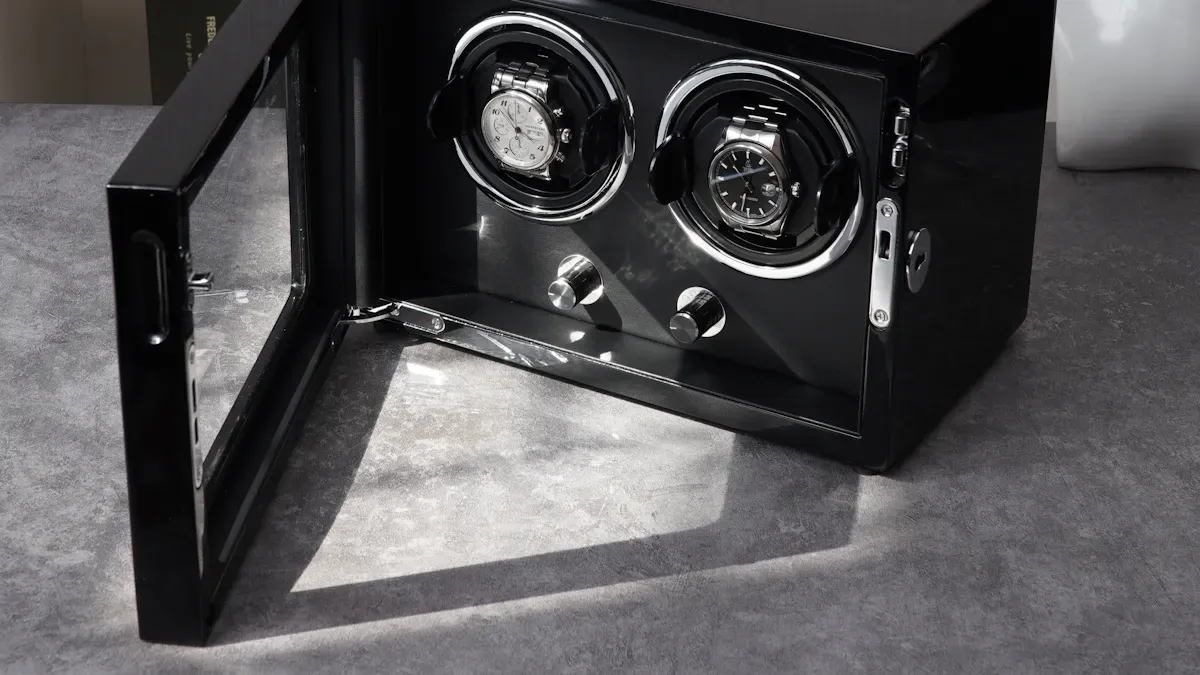
Proper storage protects high-end luxury watches from risks that can undermine both value and function. Secure, climate-controlled environments help prevent rust, condensation, and magnetization. Owners often select custom jewelry boxes or Jewelry Display cases made by a reputable jewelry packaging manufacturer to ensure the best quality. Jewelry packaging and a Jewelry Pouch add further safety and preserve investment value. A watch stored with care remains a symbol of excellence and craftsmanship.
Neglecting safety or using substandard solutions can cause scratches, movement issues, or even loss.
Security for High-End Luxury Watches
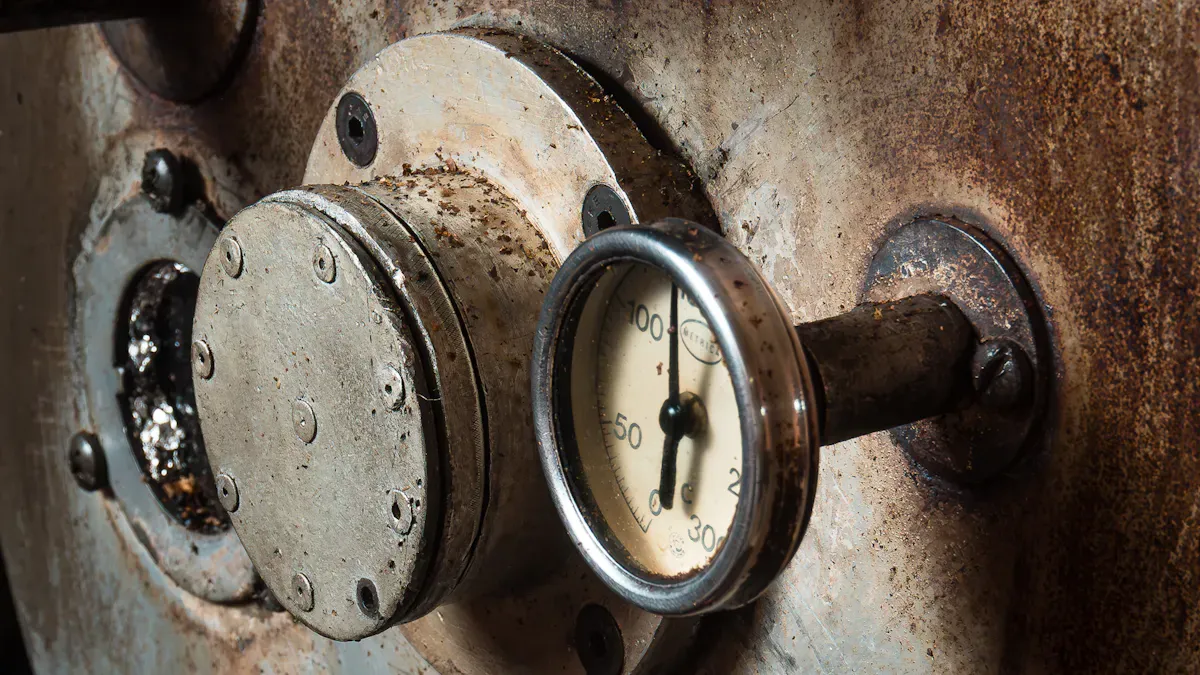
Home Safes and Vaults for Luxury Watches
Safe Ratings and Certifications
A high-quality safe forms the first line of defense for any collection of high-end luxury watches. These safes protect against theft, physical damage, and environmental threats. Many luxury watch safes receive certification under European standards for burglary resistance, such as Grade G1 or Grade G3. These grades measure the safe’s ability to withstand forced entry. Fire protection also plays a crucial role. Standards like EN 15659 – LFS 30 P and EN 15659 – LFS 60 P ensure that the safe can shield sensitive contents during a fire. The table below compares common storage options for luxury watches:
| Storage Type | Security Level | Fire Protection |
|---|---|---|
| Watch Box | Low | None |
| Drawer Storage | Very Low | None |
| Standard Home Safe | Moderate | Possible |
| Watch Safe | High | Often Available |
A watch safe not only deters theft but also offers UV protection and prevents dust accumulation, which helps preserve the intricate mechanisms of luxury watches.
Placement and Installation for Safety
Proper placement and installation of a safe or vault increase security. Owners should choose a location that remains discreet and difficult for intruders to access. Installing a safe in a reinforced wall or anchoring it to the floor prevents thieves from removing it quickly. Large and heavy safes further deter theft attempts. Advanced locking mechanisms, such as biometric or digital locks, provide maximum security. Climate control features inside the safe help maintain the condition of the watches.
The 'Swiss Cheese' concept for home security emphasizes a layered defense approach, making it harder for intruders to access valuables like luxury watches.
Security Systems for Luxury Watch Collection
Alarm Integration for Safety
Alarm systems add another layer of protection for luxury watch collections. Integrating the safe or vault with a home alarm system ensures immediate alerts in case of unauthorized access. Modern alarm systems can connect to mobile devices, allowing owners to monitor their property remotely. This integration increases the chances of preventing theft before significant loss occurs.
Surveillance Options for Enhanced Security
Surveillance cameras provide visual monitoring of the area where the safe or vault is located. High-definition cameras with night vision and motion detection offer continuous oversight. Owners can store footage securely, which assists law enforcement in the event of a theft. Visible cameras also act as a deterrent, discouraging potential intruders from attempting to breach the storage area.
Off-Site Safety Deposit Box and Professional Storage
Bank Safety Deposit Box for Luxury Watches
A safety deposit box at a bank offers the highest level of security for luxury watches. The odds of theft from a bank vault remain extremely low. However, access to the collection becomes limited. Owners must present a photo ID, and a bank representative must be present to open the box. Access is only possible during the bank’s operating hours, which may not suit collectors who wish to wear or inspect their watches frequently.
A safe-deposit box is easily the most secure option, but it does come at the cost of giving up a certain amount of access to your Rolex watches. A safe deposit box cannot be opened unless both you and a bank representative are present, and even getting into the safe room requires the bank to verify your identity with a photo ID. While the odds of your watch getting stolen while inside a safe deposit box are incredibly slim, you can only access your collection during the bank’s operating hours, and this can be a deal-breaker for some collectors.
Professional Watch Storage Services
Professional watch storage services provide an alternative to bank safety deposit boxes. These services offer climate-controlled vaults with advanced security systems. Clients benefit from flexible access and specialized care for their collections. Professional storage facilities often include insurance coverage and regular maintenance, ensuring both safety and preservation. This option suits collectors who require both maximum security and convenient access to their high-end luxury watches.
- Use a watch winder to keep automatic watches running and protected from dust.
- Store watches in a safety deposit box for enhanced security against theft and environmental damage.
- Invest in a high-quality watch safe to protect against physical damage and theft, ensuring it has a good security rating.
- Choose a safe that is large and heavy to deter quick theft.
- Select a safe with advanced locking mechanisms for better security.
- Consider safes with climate control features to preserve the condition of the watches.
Environmental Controls for Luxury Watches
Humidity Regulation for High-End Luxury Watches
Ideal Humidity Levels for Safety
Maintaining the correct humidity level is essential for the preservation of high-end luxury watches. Excess moisture in the air can cause condensation inside the watch case, even in models designed to resist water. This risk increases when temperature changes occur rapidly. The optimal relative humidity for storage falls between 40% and 60%. Storing watches in a low-humidity area helps prevent internal corrosion and protects delicate components from damage.
- High humidity can lead to condensation inside the case.
- Even water-resistant watches are not designed for constant exposure to damp air.
- Keeping humidity within the recommended range preserves both function and appearance.
Dehumidifiers and Silica Gel Use
Proper humidity control requires more than just choosing the right location. Owners often use dehumidifiers or moisture absorbing packets, such as silica gel, to maintain stable conditions. These tools help prevent moisture intrusion, which can cause oxidation and corrosion of internal parts like the balance wheel and gear train. Regularly replacing silica gel packets ensures ongoing protection. For collections stored in safes or cabinets, placing a desiccant inside each compartment adds an extra layer of safety.
Tip: Regular maintenance and the use of moisture control packets are especially important in humid climates.
Temperature Stability for Luxury Watch Collection
Recommended Temperature Range
Temperature stability plays a critical role in the longevity of a luxury watch collection. Manufacturers recommend storing watches in a temperature-controlled environment, ideally between 60–75°F (15–24°C). This range helps prevent the expansion and contraction of materials, which can affect the accuracy and durability of the timepieces.
Avoiding Extreme Fluctuations
Sudden temperature changes can cause condensation and stress on the internal mechanisms. Owners should avoid placing watches near heating vents, windows, or areas exposed to direct sunlight. Consistent temperature control, combined with proper humidity regulation, ensures that luxury watches remain in optimal condition for years.
Light Exposure and Safety for Luxury Watches
UV Protection for High-End Luxury Watches
Exposure to ultraviolet (UV) light can significantly impact the materials and mechanisms of luxury watches. Prolonged UV exposure degrades luminous paint, such as Super-LumiNova, reducing its brightness. Rubber gaskets may deteriorate, compromising water resistance. Dial colors can fade, diminishing the watch’s aesthetic appeal and value.
- Overexposure to UV light accelerates the degradation of lume.
- Avoiding direct sunlight helps maintain both functionality and appearance.
Storage Location Considerations
Selecting the right storage location further enhances safety. Owners should store watches away from windows and sources of direct sunlight. Cabinets or safes with UV-resistant linings offer additional protection. A well-chosen storage area shields the collection from both light and environmental hazards, preserving the integrity of each piece.
Note: Proper environmental controls, including humidity, temperature, and light management, form the foundation of effective luxury watch storage.
Protection from Physical and Magnetic Damage
Shock and Vibration Prevention for Luxury Watches
Padded Compartments for Safety
Luxury watches require protection from physical shocks and vibrations during storage. Padded compartments inside a watch storage box cushion each piece, reducing the risk of scratches or internal movement damage. Soft linings and snug-fitting pillows keep watches secure and minimize friction. This design helps preserve the condition of high-end luxury watches, especially when owners move or access their collections frequently.
Anti-Vibration Storage Units
Some collectors choose anti-vibration storage units to further protect their timepieces. These units absorb external shocks and prevent sudden jolts from reaching the watches. Anti-vibration features are especially important for mechanical watches, where even minor impacts can affect accuracy or cause damage to delicate components. By investing in specialized storage, collectors keep their timepieces safe from damage caused by accidental bumps or drops.
Magnetic Field Protection for High-End Luxury Watches
Risks of Magnetization
Magnetic fields pose a significant threat to luxury watches. Magnetism can disrupt the movement, causing timekeeping errors or even stopping the watch. The most common sources of magnetic damage during storage include:
- Permanent magnets found in household items
- Electromagnetic fields from appliances and electronic devices
- Exposure to power adapters, Bluetooth speakers, and other electronics
Certain types of watches face higher risks. Vintage mechanical watches, models with metallic hairsprings, thin-cased designs, and those with iron components are especially vulnerable. Devices like smartphones, laptops, refrigerators, and audio equipment can all create magnetic fields strong enough to cause damage.
Anti-Magnetic Storage Solutions
To prevent magnetization, collectors should keep watches away from electronic devices and magnetic sources. Anti-magnetic storage solutions, such as cases with magnetic shielding, offer added protection. Removing watches before undergoing medical procedures like MRI scans also reduces risk. By maintaining distance from potential hazards and using specialized storage, collectors can keep their timepieces safe from damage caused by magnetization.
Tip: Store watches in a dedicated area, away from everyday electronics, to minimize exposure to magnetic fields.
Dust and Moisture Barriers for Luxury Watch Collection
Airtight Containers for Safety
Dust and moisture can cause long-term damage to luxury watches. Airtight containers create a barrier that keeps out environmental contaminants. Glass-top watch boxes protect against dust and micro-scuffs while allowing owners to view their collection without unnecessary handling. A snug pillow fit and soft lining inside the box help preserve each watch’s condition.
Watch Storage Cabinets
High-quality watch storage cabinets provide additional protection. These cabinets offer proper cushioning and minimize friction between watches. They also shield watches from light exposure and humidity, which can degrade materials over time. Specialized storage solutions help preserve the longevity of luxury watches and maintain their value.
Note: Investing in the right storage not only prevents damage but also ensures that each watch remains in pristine condition for years.
Proper Positioning and Support for Luxury Watches
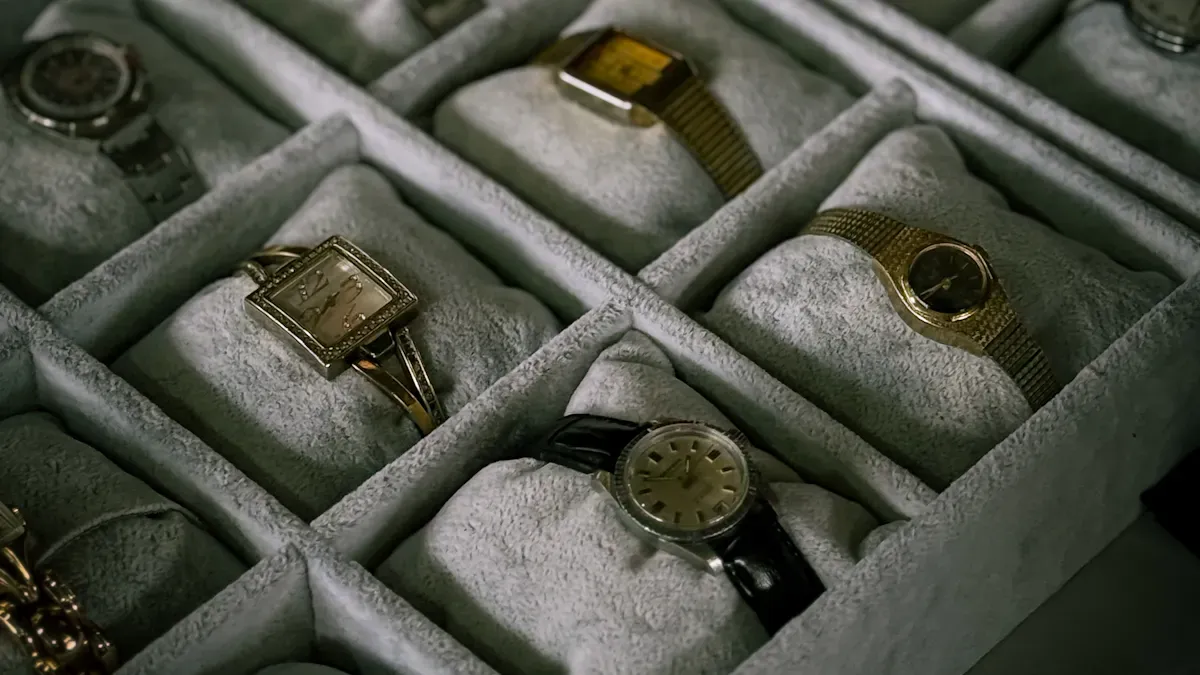
Watch Winders for High-End Luxury Watches
Automatic Movement Maintenance
Automatic movements in high-end luxury watches require consistent motion to maintain optimal performance. A watch winder simulates the natural movement of the wrist, keeping the internal mechanisms active. This process preserves the lubrication of gears and prevents oils from drying out or migrating, which can hinder the watch’s accuracy. When a watch remains stationary for extended periods, the mainspring and other components may lose flexibility, reducing the lifespan of the timepiece. Using a watch winder intermittently helps avoid these issues and ensures that the watch remains ready for use at any time.
Tip: Regular use of a watch winder reduces the need for frequent resetting, which can be risky for delicate mechanisms.
Choosing the Right Winder
Selecting the appropriate watch winder involves considering the specific requirements of each luxury watch. The winder should offer adjustable rotation settings to match the manufacturer’s recommendations. High-quality winders provide gentle, consistent motion and feature soft, secure holders to prevent scratches. Owners should avoid low-quality winders that may cause excessive wear or fail to support the watch properly. Investing in a reliable watch winder protects the value and function of high-end luxury watches.
Cushioning and Holders for Luxury Watch Collection
Individual Watch Pillows
Proper support during storage prevents unnecessary stress on the case and bracelet. Individual watch pillows mimic the natural wrist position, distributing pressure evenly across the watch. Storing watches face up on these pillows protects the crystal and dial from scratches. Soft materials and a snug fit keep each piece secure, reducing the risk of movement or accidental damage.
Adjustable Compartments
Adjustable compartments accommodate watches of various sizes and styles. Slot widths between 55–70 mm allow for easy placement and removal, ensuring crowns do not hit dividers. This flexibility helps organize the collection while maintaining both aesthetics and safety. Owners can customize compartments to fit larger or uniquely shaped watches, enhancing overall protection.
Avoiding Overcrowding in Luxury Watch Storage
Spacing Between Watches
Adequate spacing remains essential for preventing scratches and wear. Maintaining at least 1 cm of space between watches ensures they do not rub together. Assessing the collection’s size and layout allows for effective organization and protection. A well-arranged display not only safeguards each piece but also creates a visually appealing presentation.
Preventing Scratches and Wear
Overcrowding increases the risk of scratches, especially on polished surfaces and crystals. Owners should balance aesthetics with functionality, prioritizing the safety of each watch. Using adjustable compartments and individual pillows further reduces contact and friction. A thoughtful approach to storage preserves the pristine condition of luxury watches and extends their lifespan.
Note: Always secure the crown tightly before placing a watch in storage to prevent dust and moisture entry.
Importance of Original Boxes and Documentation for Safety
Storing Original Packaging for Luxury Watches
Preserving Value and Authenticity
Collectors and enthusiasts recognize that original packaging plays a critical role in maintaining the value and authenticity of luxury watches. Auction houses and private buyers often seek complete sets, which include the box and all related papers. These sets can command 15–50% higher sale prices compared to transactions involving only the watch. For example, a Rolex with its original box and papers may sell for 10% to 20% more than one without these items. The presence of original packaging assures buyers of the watch’s provenance and confirms that the piece has not been altered or tampered with.
| Evidence Type | Description |
|---|---|
| Price Increase | Complete sets can achieve 15-50% higher sale prices compared to watch-only transactions. |
| Buyer Confidence | Original packaging and documentation enhance buyer confidence and desirability. |
| Provenance Verification | Original papers provide crucial verification of model specifications and authenticity. |
Collectors pay a premium for watch boxes and papers because these items validate authenticity and provide peace of mind.
Protection from Environmental Factors
Original packaging also offers physical protection. The box shields the watch from dust, moisture, and accidental impacts during storage. High-quality materials used in luxury packaging help maintain the best condition for the timepiece. Owners who keep their watches in the original box reduce the risk of scratches and environmental damage, preserving both appearance and function.
Organizing Documentation for High-End Luxury Watches
Warranty Cards and Certificates
Proper organization of warranty cards and certificates ensures that important documents remain accessible and intact. These papers confirm the authenticity of the watch and provide essential information for future service or resale. Collectors should store warranty cards, certificates of authenticity, and COSC certifications in a dedicated folder or envelope, separate from the box but within the same secure location.
- Sales receipt
- Warranty card
- Certificate of Authenticity
- COSC Certification
Keeping these documents together simplifies the process when selling or servicing the watch.
Service Records and Manuals
Service records and instruction manuals document the maintenance history and proper care procedures for each watch. Organized records demonstrate that the owner has maintained the watch according to manufacturer guidelines, which increases buyer confidence. Collectors should keep service receipts, manuals, brochures, and appraisal papers in a labeled file or binder. This practice ensures that all documentation remains in the best condition and ready for review.
- Service records and receipts
- Instruction manual
- Insurance or appraisal papers
Luxury watch buyers value complete documentation, as it signals careful ownership and enhances resale value by 10% to 15%. Collecting all related documents before a sale attracts serious buyers and maximizes returns.
Maintenance Routines During Storage for Luxury Watches
Regular Inspection of High-End Luxury Watches
Checking for Moisture or Mold
Owners of high-end luxury watches must inspect their collections regularly. Moisture can accumulate inside storage compartments, leading to mold growth or corrosion. They should check for signs of condensation on the watch crystal or inside the case. If any moisture appears, immediate action prevents further damage. Using a dedicated watch box or case helps reduce exposure to humidity and keeps watches organized.
Tip: Storing watches in a cool, dry place and away from direct sunlight minimizes the risk of mold and moisture-related issues.
Monitoring for Damage
Routine inspections allow owners to spot scratches, dents, or loose components early. They should examine the bracelet, clasp, and case for signs of wear. If damage appears, professional servicing ensures the watch remains functional and valuable. Keeping watches away from magnetic fields and storing them in controlled environments preserves their integrity.
Movement Maintenance for Luxury Watch Collection
Winding Manual Watches
Manual watches require regular winding to maintain their mechanisms. Owners should wind each manual watch at least once every two weeks. This practice keeps the lubricants inside the movement from coagulating and ensures smooth operation. Storing watches in a box is acceptable, but periodic winding prevents lubrication issues.
Running Automatic Watches Periodically
Automatic watches benefit from occasional motion. Using a watch winder keeps the movement active and maintains lubrication. Owners should run automatic watches periodically, even when not in use. This routine prevents the oils from drying out and keeps the watch ready for wear.
| Maintenance Task | Frequency | Benefit |
|---|---|---|
| Wind manual watches | Every 2 weeks | Maintains lubrication |
| Use watch winder | Weekly or as needed | Prevents coagulation of oils |
| Inspect for damage | Monthly | Early detection of issues |
Cleaning and Care for Luxury Watches
Gentle Cleaning Before Storage
Before placing luxury watches in storage, owners should clean each piece carefully. A soft microfiber cloth removes dirt and oils from the case and bracelet. For metal bracelets, warm water and mild soap work well, but leather straps require a barely damp cloth and air drying. Deep cleaning involves a soft toothbrush and a lint-free cloth to absorb excess moisture.
- Wipe every facet, nook, and engraving with a clean microfiber cloth.
- Use a toothpick wrapped in a cleaning wipe for sticky grime.
- Finish with a fresh microfiber cloth to ensure no moisture remains.
Avoiding Harsh Chemicals
Owners must avoid harsh chemicals during cleaning. These substances can damage the finish and degrade materials. Only mild soap and water should touch metal parts, while leather straps need special care. Battery replacements for quartz watches should be handled by specialists to prevent accidental damage.
Note: Regular cleaning and proper care preserve both the function and value of luxury watches.
Insurance and Record Keeping for Luxury Watch Collection
Appraisals and Valuations for High-End Luxury Watches
Keeping Records Updated
Accurate appraisals form the foundation of effective risk management for luxury watch collections. Owners should update valuations regularly to reflect changes in market trends, model popularity, and the condition of each piece. Professional appraisals involve certified experts who inspect the watch’s physical state, verify authenticity, and analyze current market data. Online appraisal platforms offer initial estimates, while self-appraisal through research can provide a general sense of value. Key factors influencing valuation include rarity, brand reputation, original packaging, and documentation. Keeping records current ensures that insurance policies and investment strategies remain aligned with the true worth of the collection.
Storing Appraisal Documents for Safety
Proper storage of appraisal documents is essential for both security and accessibility. Owners should keep physical copies in a secure location, such as a home safe or safety deposit box. Digital backups stored in encrypted cloud services add another layer of protection. Organized documentation supports insurance claims and simplifies the process of selling or transferring watches as part of an investment portfolio.
Insurance Policies for Luxury Watches
Coverage for Theft and Damage
Comprehensive insurance policies protect luxury watches against theft, accidental damage, and natural disasters. Many collectors mistakenly believe that standard homeowner’s insurance provides sufficient coverage. In reality, most policies exclude high-value items or limit payouts for watches valued over $2,000. Specialized insurance offers broader protection, including worldwide coverage during travel and agreed value policies that prevent depreciation disputes. Owners should ensure their policy covers risks both at home and abroad, as 53% of collectors have insurance that protects against theft or loss in multiple scenarios.
- 32% of luxury watch owners lack specific insurance.
- 35% increase home insurance limits, but many policies cap coverage for items over £1500.
- Only 30% purchase dedicated insurance for their collections.
Policy Review and Updates
Regular policy reviews help maintain adequate protection as the collection grows or changes in value. Owners should update their insurance after acquiring new pieces or receiving updated appraisals. Understanding policy exclusions, such as wear and tear, ensures there are no surprises during a claim. Proper documentation and current valuations support smooth claims processing and safeguard the investment.
Inventory Management for Luxury Watch Collection
Digital and Physical Records
Effective inventory management combines digital and physical records. Modern portfolio dashboards provide an overview of assets, track condition, and monitor value. Secure storage of records, both online and offline, ensures information remains accessible and protected. Features such as asset documentation, advanced search, and data export streamline management for collectors and professionals.
| Feature | Description |
|---|---|
| Portfolio Dashboard | Overview of luxury assets in one place. |
| Asset Documentation | Detailed records for each item. |
| Condition Tracking | Monitors state of watches over time. |
| Value Monitoring | Tracks market value of assets. |
| Secure Storage | Keeps information safe and private. |
Photographic Documentation
Photographic records play a vital role in supporting insurance claims and inventory management. High-quality images provide verifiable proof of ownership, document condition, and facilitate faster claims processing. Secure cloud backup ensures these records remain safe and accessible. Collectors can generate reports for insurers or law enforcement, simplifying the claims process and protecting their investment.
Proper storage remains essential for preserving both the value and function of high-end luxury watches. Industry experts highlight several long-term benefits for collectors who implement best practices:
- Protection from physical damage and theft
- UV and dust prevention
- Organized storage for easy access
- Long-term preservation, even for watches not in frequent use
- Improved insurance rates
Maintaining low humidity, steady temperature, and using silica gel packets further protects luxury watches from deterioration. By following these steps, collectors ensure their watches stay in excellent condition for years to come.
FAQ
What is the best humidity level for storing luxury watches?
Experts recommend a relative humidity between 40% and 60%. This range prevents condensation and corrosion. Owners should use dehumidifiers or silica gel packets to maintain stable conditions.
How often should someone inspect their luxury watch collection?
Monthly inspections help identify moisture, mold, or physical damage early. Regular checks ensure that watches remain in optimal condition and allow for timely maintenance.
Can luxury watches be stored in a regular jewelry box?
A standard jewelry box does not provide adequate protection. High-end watches require padded compartments, humidity control, and security features to prevent damage and theft.
Why do collectors keep original boxes and papers?
Original packaging and documentation increase resale value and confirm authenticity. Buyers pay more for complete sets. Proper storage of these items preserves both value and provenance.
Do all luxury watches need a watch winder?
Only automatic watches benefit from winders. Manual and quartz watches do not require this device. Owners should match the winder’s settings to the manufacturer’s recommendations.
What insurance covers luxury watches?
Specialized jewelry insurance offers comprehensive coverage for theft, loss, and damage. Standard homeowner’s policies often exclude high-value items or limit payouts. Owners should review policy details carefully.
How can someone protect watches from magnetic fields?
Owners should store watches away from electronics and magnetic sources. Anti-magnetic cases or cabinets provide additional protection. Regular demagnetization checks help maintain accuracy.
Is it safe to store watches in a bank safety deposit box?
A bank safety deposit box offers maximum security. However, access remains limited to bank hours. This option suits collectors who prioritize safety over frequent access.