A Deep Dive into the Sustainable Jewelry Packaging Market
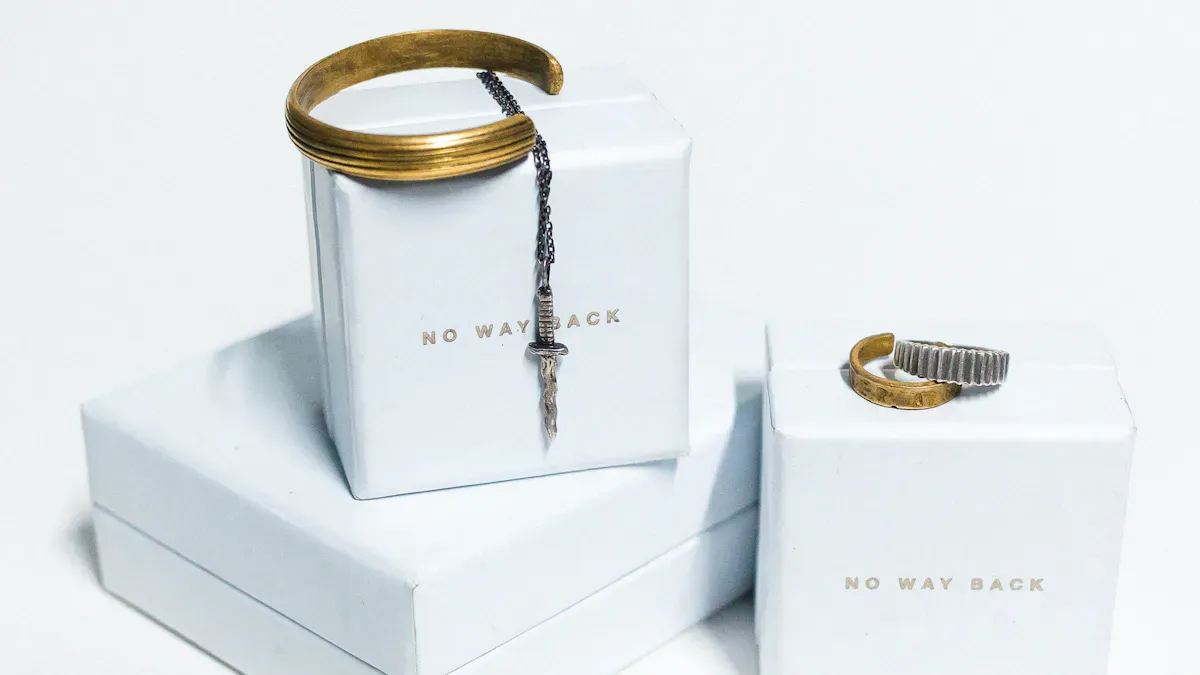
Sustainable jewelry packaging has become a core strategy for brands seeking environmental responsibility and stronger consumer loyalty. The market now demands innovative solutions from every jewelry packaging manufacturer, especially as buyers expect eco-friendly options like custom jewelry boxes, Jewelry Pouch, and Jewelry Display products. Key opportunities include creative branding and improved consumer appeal, while challenges persist in cost efficiency, supply chain stability, and balancing quality with affordability. Companies must address these issues to stand out with jewelry packaging that aligns with modern values.
- Sustainability and environmental impact push brands to rethink packaging.
- Cost efficiency remains a hurdle for smaller players.
- Creative designs help with brand differentiation.
- Supply chain disruptions threaten consistent delivery.
Market Overview of Sustainable Jewelry Packaging
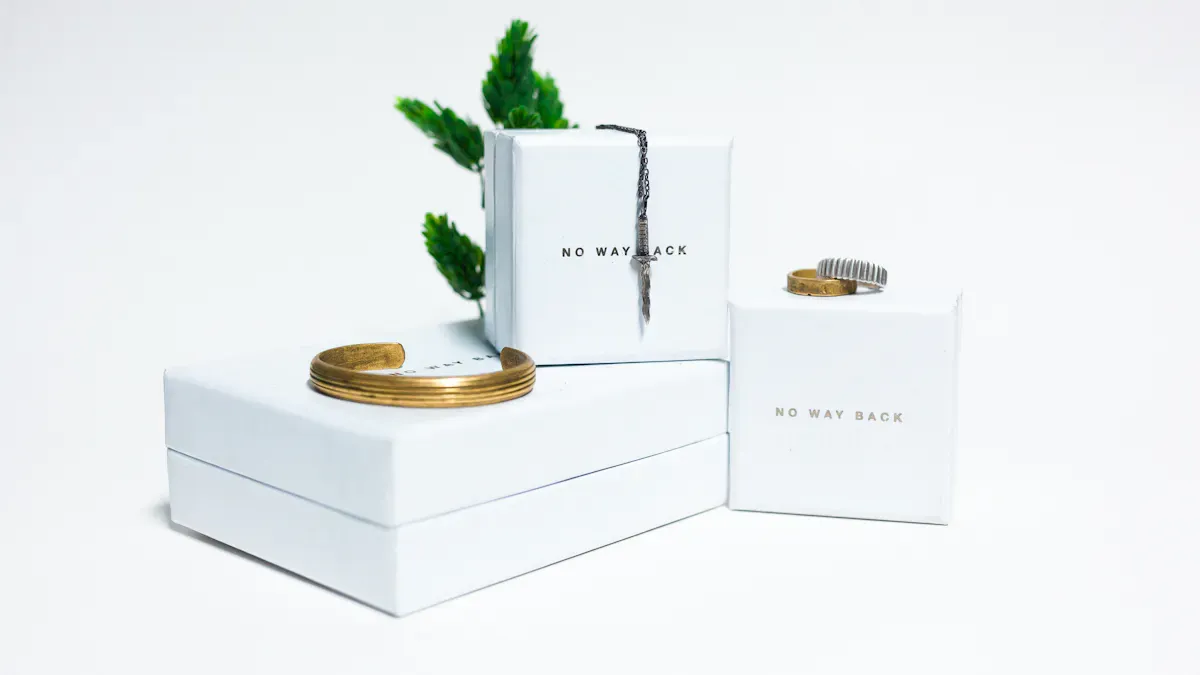
Defining Sustainable Jewelry Packaging
Key Features and Criteria
Sustainable jewelry packaging stands out through its commitment to environmental responsibility and resource efficiency. Industry standards and organizations define this packaging by several essential features:
- Use of renewable, recyclable, biodegradable, and responsibly sourced materials.
- Focus on minimizing environmental footprint during manufacturing.
- Emphasis on recyclability or biodegradability at the end of the product’s life.
- Verification of responsible sourcing through certifications such as FSC.
- Design strategies that reduce waste and encourage reusability while preserving brand aesthetics.
Note: The EU Packaging and Packaging Waste Directive, along with sustainability goals from organizations like the United Nations, shape the criteria for sustainable packaging across the jewelry sector.
These features ensure that jewelry packaging solutions not only protect and present jewelry but also align with eco-conscious values. Brands that adopt these criteria demonstrate leadership in environmental stewardship.
Differentiation from Conventional Packaging
Sustainable jewelry packaging differs from conventional packaging in several key ways. Traditional packaging often relies on single-use plastics, non-recyclable materials, and processes that generate significant waste. In contrast, sustainable options prioritize:
- Materials that are either recycled or can be recycled.
- Biodegradable alternatives to plastic.
- Designs that use less material without sacrificing durability or visual appeal.
- Processes that reduce energy and water consumption.
Eco-friendly packaging also incorporates certifications and transparent sourcing, which help brands build trust with eco-conscious consumers. This approach supports a circular economy, where packaging materials return to the supply chain instead of ending up in landfills.
Market Size and Growth Trends
Recent Market Data
The sustainable jewelry packaging market has experienced steady expansion as both consumers and brands prioritize environmental impact. Recent data shows that the market is expected to grow at a compound annual growth rate (CAGR) of 4.5% from 2025 to 2033. This growth reflects increasing demand for jewelry packaging solutions that meet sustainability standards and regulatory requirements.
A variety of factors contribute to this market growth potential. Brands recognize that sustainable packaging enhances their reputation and appeals to a broader audience. Retailers and designers seek innovative jewelry packaging that aligns with global sustainability initiatives.
Growth Drivers and Restraints
Several drivers propel the adoption of sustainable jewelry packaging:
- Rising consumer awareness about environmental issues.
- Stricter regulations on packaging waste and recycling.
- Growing preference for eco-friendly and eco-conscious products.
- Advances in material science, enabling new packaging solutions.
However, the market faces notable restraints:
- Higher costs for sustainable materials compared to conventional options.
- Limited availability of certain eco-friendly resources.
- Challenges in scaling production for large brands.
- Need for ongoing education to prevent greenwashing and ensure authenticity.
Tip: Brands that invest in transparent sourcing and clear communication about their packaging choices can overcome consumer skepticism and strengthen loyalty.
The sustainable jewelry packaging market continues to evolve, driven by innovation, regulation, and changing consumer values. Companies that adapt to these trends position themselves for long-term success.
Market Segmentation in Jewelry Packaging
By Product Type
Boxes
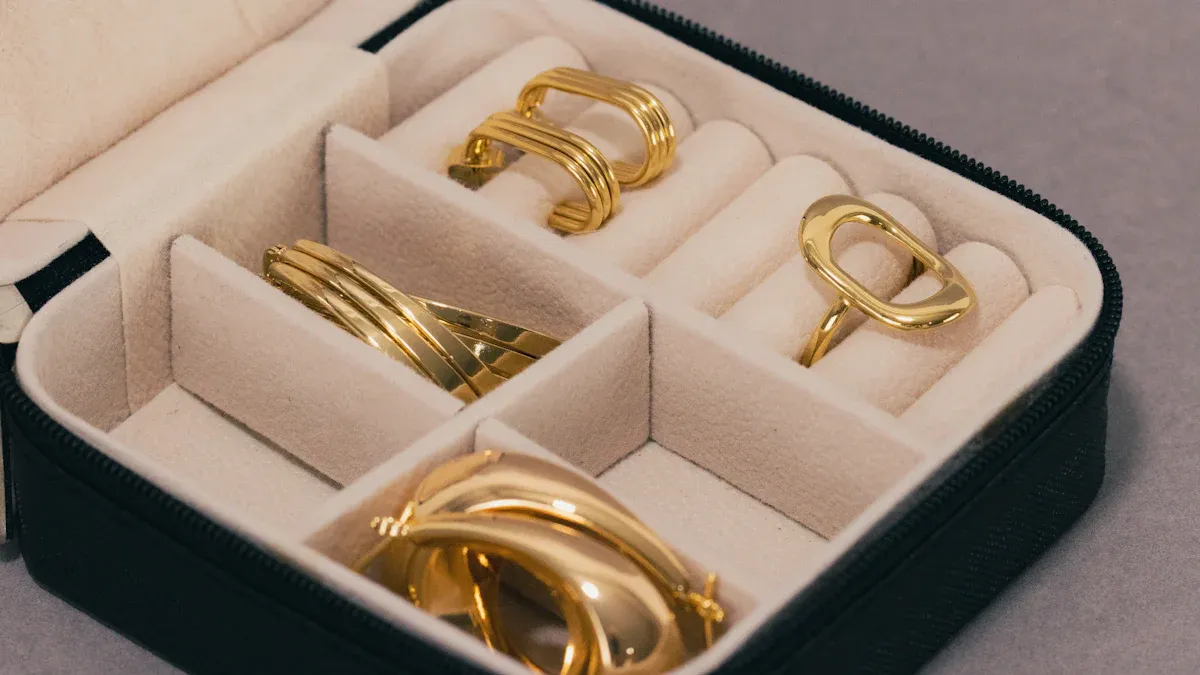
Boxes remain the most widely used product in the sustainable jewelry packaging market. They offer excellent protection and enhance the presentation of jewelry pieces. Many brands now seek personalized and customized box solutions to reinforce their identity and create memorable unboxing experiences. The demand for boxes continues to grow as both retailers and consumers value durability and visual appeal.
- Boxes provide sturdy protection for delicate items.
- Customization options allow brands to showcase logos and unique designs.
- Many boxes use sustainable materials, such as recycled paper or bamboo.
Pouches and Bags
Pouches and bags have gained popularity due to their versatility and cost-effectiveness. E-commerce sellers often choose these options for their lightweight nature and ability to protect jewelry during shipping. Pouches, especially those made from organic fabrics, offer a soft and reusable alternative to traditional packaging. Bags serve a similar function and appeal to brands seeking simple yet attractive solutions.
- Pouches and bags are easy to store and transport.
- They suit a wide range of jewelry items, from rings to necklaces.
- Many brands use organic cotton or linen for these products.
Wrapping and Inserts
Wrapping and inserts play a crucial role in protecting jewelry and enhancing presentation. Brands use tissue paper, recycled kraft paper, or biodegradable inserts to cushion items and add a premium touch. These elements help reduce movement during transit and minimize the risk of damage.
Note: Wrapping and inserts often use compostable or recyclable materials, supporting eco-friendly practices.
Wooden Jewelry Packaging
Wooden jewelry packaging stands out for its durability, elegance, and sustainability. Many luxury brands and independent designers prefer this option for its premium feel and environmental benefits. Artisans often craft these boxes from reclaimed or responsibly sourced wood, making each piece unique. Wooden jewelry packaging can be reused or repurposed, extending its lifecycle and reducing waste.
- Wooden jewelry packaging offers a tactile, luxurious experience.
- It aligns with eco-conscious values and supports artisanal craftsmanship.
- Brands like Bario Neal use reclaimed wood to create handmade boxes.
By Material
The choice of material significantly impacts the sustainability and appeal of jewelry packaging. Brands select materials based on environmental impact, durability, and consumer preferences.
| Material | Biodegradable | Recyclable | Compostable |
|---|---|---|---|
| Kraft Paper | Yes | Yes | Yes |
| Cornstarch | Yes | No | Yes |
| Bamboo | Yes | Yes | Yes |
Recycled Paper and Cardboard
Recycled paper and cardboard remain top choices for sustainable jewelry packaging. Kraft paper, made from up to 100% post-consumer waste, offers durability and a natural look. These materials are both recyclable and compostable, making them ideal for brands focused on reducing environmental impact.
Biodegradable Plastics
Biodegradable plastics, such as those derived from cornstarch, provide an alternative to traditional plastics. These materials break down naturally and help brands meet eco-friendly goals. However, not all biodegradable plastics are recyclable, so brands must consider end-of-life options.
Organic Fabrics
Organic fabrics, including cotton and linen, offer biodegradable and reusable solutions. Many brands use organic cotton for pouches and bags, providing a soft and sustainable option for jewelry packaging. Linen, made from the flax plant, is both recyclable and compostable.
- Organic cotton and linen suit a variety of jewelry items.
- These fabrics support renewable agriculture and reduce reliance on synthetic materials.
Innovative Materials (e.g., wool felt, upcycled textiles, eco-friendly polybags)
Innovative materials continue to shape the future of jewelry packaging. Brands experiment with wool felt, upcycled textiles, and eco-friendly polybags to create unique and sustainable designs. Recycled vegan leather, made from post-consumer plastics, offers an eco-friendly alternative to traditional leather. These materials help brands differentiate their packaging and appeal to environmentally conscious consumers.
By End-User
Jewelry packaging solutions vary based on the needs and values of different end-user segments.
Luxury Brands
Luxury brands prioritize high-quality, eco-friendly materials and innovative designs. They often select wooden jewelry packaging or premium recycled materials to reflect their brand image. For example, Vivienne Westwood uses paper and fabric fibers instead of plastic and incorporates recycled content in their packaging. These brands seek to balance elegance with environmental responsibility.
Independent Designers
Independent designers focus on artisanal methods and local resources. They often use wooden jewelry packaging crafted from reclaimed wood or fabric remnants for pouches. This approach highlights their commitment to sustainability and supports small-scale craftsmanship. Bario Neal, for instance, creates handmade boxes and uses leftover fabrics, showcasing unique and eco-friendly practices.
Mass Market Retailers
Mass market retailers adopt standardized eco-friendly packaging solutions to meet consumer demand and control costs. They frequently use recycled paper and cardboard for their packaging, ensuring affordability and scalability. These retailers aim to provide sustainable options without compromising on efficiency or accessibility.
Tip: Brands that align their packaging choices with their target audience’s values can strengthen loyalty and enhance market positioning.
Regional Analysis of Sustainable Jewelry Packaging
North America
Consumer Preferences
North American consumers show a strong interest in sustainable solutions. Many buyers seek packaging that reflects their values and supports environmental responsibility. They often choose brands that use wooden jewelry packaging for its durability and natural appeal. Retailers notice that customers appreciate packaging with minimal waste and reusable features. The trend toward eco-conscious purchasing continues to grow, especially among younger generations. Brands that offer unique wooden jewelry packaging often stand out in a crowded marketplace.
Regulatory Environment
Regulations in North America encourage companies to adopt sustainable practices. The United States and Canada have introduced guidelines that limit single-use plastics and promote recycling. These rules push brands to select materials that meet strict standards. Wooden jewelry packaging aligns well with these requirements because it uses renewable resources and reduces landfill waste. Companies that comply with these regulations gain a competitive advantage and build trust with their audience.
Europe
Sustainability Standards
Europe leads the world in sustainable packaging innovation. Several factors drive this leadership:
- Regulatory pressure from governments, including the European Union's targets for recyclable packaging by 2030.
- Strong consumer demand for eco-friendly solutions, with many willing to pay more for sustainable options.
- Certifications such as FSC and "plastic-free" labeling influence purchasing decisions.
European buyers prefer biodegradable and fiber-based packaging. Many brands use wooden jewelry packaging to meet these expectations. The region's advanced recycling infrastructure supports the widespread adoption of sustainable materials. Companies that follow these standards often see increased loyalty from their customers.
Market Leaders
Many European brands set the standard for sustainable packaging. They invest in research and development to create innovative solutions. Wooden jewelry packaging remains a popular choice for luxury and independent designers. These companies often collaborate with local artisans to produce unique, high-quality packaging. Their efforts help shape global trends and inspire other regions to adopt similar practices.
Asia-Pacific
Emerging Markets
The Asia-Pacific region plays a significant role in the growth of the sustainable jewelry packaging market. The luxury packaging sector in this area is projected to exceed seven billion US dollars by 2025. Rising disposable incomes and urbanization drive demand for premium and sustainable products. China and India contribute heavily to this trend. Government initiatives in these countries promote the use of sustainable packaging. Environmental concerns also increase the popularity of eco-friendly solutions.
Local Sourcing Trends
Local sourcing has become a key trend in Asia-Pacific. Brands often choose materials that are available within the region to reduce costs and support local economies. Wooden jewelry packaging gains traction as it offers both sustainability and a connection to traditional craftsmanship. Many global brands focus on this market because of its rapid growth and openness to new ideas. The region's emphasis on local materials and innovative design continues to attract attention from industry leaders.
Latin America and Middle East
Unique Regional Factors (e.g., artisan collaborations, local material sourcing)
Latin America and the Middle East present distinct opportunities and challenges for sustainable jewelry packaging. Each region brings its own cultural influences, consumer expectations, and supply chain dynamics to the packaging landscape.
In Latin America, the packaging market shows strong growth potential. Projections indicate that the sustainable jewelry packaging segment will reach approximately $200 million by 2026. Brazil and Mexico lead this expansion. These countries benefit from a growing trend toward gifting jewelry, which increases demand for attractive and personalized packaging. Consumers in these markets value packaging that reflects both aesthetic appeal and cultural identity. Many brands collaborate with local artisans to create packaging that features traditional patterns, handwoven fabrics, or indigenous materials. This approach not only supports local economies but also adds authenticity and storytelling to the unboxing experience.
Note: Artisan collaborations often result in packaging that stands out for its craftsmanship and unique design. Brands that invest in these partnerships can differentiate themselves in a competitive market.
Local material sourcing remains a key strategy in Latin America. Companies often choose recycled paper, natural fibers, or wood from responsibly managed forests. These materials reduce environmental impact and align with consumer preferences for eco-friendly solutions. Packaging manufacturers in the region prioritize resource efficiency and minimal waste, which helps brands meet sustainability goals.
The Middle East, especially the United Arab Emirates, demonstrates a different set of drivers. The region’s strong retail sector and frequent jewelry exhibitions create a high demand for premium packaging. Retailers and designers seek packaging that conveys luxury and exclusivity while meeting sustainability standards. Many brands in the Middle East incorporate elements such as embossed logos, metallic accents, or velvet linings to enhance the perceived value of their packaging. At the same time, they explore options like recycled cardboard and biodegradable inserts to address environmental concerns.
- Key factors shaping sustainable jewelry packaging in Latin America and the Middle East:
- Growth in gifting culture and personalized packaging demand
- Artisan collaborations that highlight local craftsmanship
- Use of regionally sourced, eco-friendly materials
- Influence of retail events and exhibitions on packaging innovation
Brands operating in these regions must balance tradition, luxury, and sustainability. They achieve success by embracing local artistry, sourcing materials responsibly, and adapting packaging designs to meet evolving consumer expectations.
Regulatory and Environmental Factors in Sustainable Design
Global Sustainability Regulations
Packaging Waste Directives
Governments and international organizations have established strict rules to guide the jewelry industry toward more responsible packaging. These directives focus on reducing waste, improving recyclability, and holding producers accountable for the entire lifecycle of their products. The following table highlights the most significant global regulations that impact jewelry packaging:
| Regulation | Description |
|---|---|
| EU’s Packaging and Packaging Waste Directive | Aims to improve the recyclability of packaging materials, including jewelry packaging. |
| California’s Plastic Pollution Prevention and Packaging Producer Responsibility Act | Holds producers accountable for the lifecycle of their packaging, promoting sustainable practices. |
| United Nations Sustainable Development Goals | Encourages global sustainability efforts, impacting packaging standards across industries. |
| Extended Producer Responsibility (EPR) | Requires producers to manage the waste generated by their products, influencing packaging design and materials. |
These regulations encourage brands to rethink their packaging strategies. They must select materials that meet recyclability standards and minimize environmental impact. Companies that comply with these directives often gain a competitive advantage in the market.
Eco-Labeling Requirements
Eco-labeling plays a vital role in sustainable design. Labels such as “recyclable,” “biodegradable,” or “compostable” help consumers identify environmentally friendly packaging. Regulatory bodies require brands to provide accurate information about the materials and processes used. This transparency builds trust and supports informed purchasing decisions. Brands that meet eco-labeling requirements can attract eco-conscious customers and strengthen their reputation.
Industry Certifications
FSC Certification
The Forest Stewardship Council (FSC) certification stands as one of the most recognized standards in sustainable packaging. This certification ensures that paper, cardboard, and wood used in packaging come from responsibly managed forests. Jewelry brands that use FSC-certified materials demonstrate a commitment to environmental stewardship. Retailers and consumers often look for this certification when choosing sustainable packaging solutions.
Other Eco-Certifications
Several other certifications validate the sustainability of packaging materials and production processes. The table below outlines the most recognized certifications in the jewelry packaging industry:
| Certification | Description |
|---|---|
| FSC Certification | Ensures products come from responsible forest management. |
| GRS Certification | Ensures products are made from recycled materials. |
| BSCI Certification | Ensures adherence to high standards of social responsibility. |
Brands that obtain these certifications show leadership in sustainable design. They also meet the expectations of regulators and consumers who demand transparency and accountability. These certifications help companies differentiate their packaging in a competitive market.
Tip: Brands should regularly review regulatory updates and certification requirements to maintain compliance and stay ahead in the evolving landscape of sustainable packaging.
Competitive Landscape in Jewelry Packaging
Key Players and Market Share
Leading Packaging Suppliers
Major suppliers in the jewelry packaging industry continue to shape market trends through innovation and scale. Companies such as WestRock, Stora Enso, and Progress Packaging lead with advanced sustainable solutions. They invest in research to develop eco-friendly materials and efficient production methods. Their global reach allows them to serve both luxury brands and mass-market retailers, ensuring consistent quality and supply.
Notable Brand Initiatives
Brands use packaging as a strategic tool to communicate their values. Many jewelry companies now highlight their commitment to sustainability through visible certifications and storytelling. For example, several brands collaborate with local artisans to create handcrafted packaging that reflects cultural narratives. This approach not only supports local economies but also enhances brand reputation. By choosing recyclable or biodegradable materials, brands appeal to environmentally conscious consumers and foster loyalty.
Pricing and Profitability
Cost Drivers
Several factors influence the cost structure of sustainable jewelry packaging:
- Material selection, especially when using innovative or locally sourced options.
- Investment in customization, which includes unique shapes, colors, and finishes.
- Adoption of eco-friendly processes, which may require new equipment or certifications.
Sustainable packaging often carries higher initial costs. However, it can boost brand perception and customer loyalty, leading to increased sales. Efficient design and material choices help reduce waste and shipping expenses, improving profitability. In fact, 90% of consumers prefer brands with sustainable packaging, and 43% are willing to pay more for it.
Value-Added Services
Suppliers and brands offer value-added services to differentiate themselves. These include design consultations, rapid prototyping, and flexible customization options. Some companies provide packaging that doubles as jewelry storage, adding utility for the consumer. Others integrate traceability features, such as QR codes, to enhance transparency and trust.
Innovation and Differentiation in Sustainable Design
Customization Trends
Customization has become a defining trend in jewelry packaging. Brands seek unique designs that reflect their identity and resonate with target audiences. They use eco-friendly materials like recycled paper, bamboo fiber, and organic cotton to create personalized packaging. Customization extends to shapes, colors, and even the inclusion of cultural motifs. This focus on customization allows brands to stand out in a crowded market and build emotional connections with consumers.
Smart Packaging Solutions (e.g., NFC, RFID integration)
Smart technology is transforming jewelry packaging. Companies now integrate features such as NFC and RFID tags to enable product authentication and enhance the customer experience. QR codes provide traceability and share the story behind the packaging. These innovations support a circular economy by encouraging recycling and reuse. Smart packaging also aligns with sustainability trends and appeals to tech-savvy, eco-conscious buyers.
Note: Brands that invest in both customization and smart packaging solutions set themselves apart and drive long-term growth in the sustainable jewelry market.
Risks and Challenges in Sustainable Jewelry Packaging
Supply Chain Volatility
Material Sourcing Issues
Brands in the sustainable jewelry packaging market face persistent challenges with material sourcing. The demand for wooden jewelry packaging continues to rise, but reliable access to responsibly managed wood sources remains inconsistent. Fluctuations in the availability of recycled paper, organic fabrics, and other eco-friendly materials can disrupt production schedules. Suppliers often struggle to maintain quality standards when resources become scarce. These disruptions force brands to seek alternative materials, which may not always align with their sustainability commitments.
Transportation and Logistics
Transportation and logistics present additional hurdles for packaging manufacturers. Shipping wooden jewelry packaging requires careful handling to prevent damage and maintain product integrity. Delays in global shipping networks, especially during periods of high demand, can lead to missed deadlines and increased costs. Brands must also navigate complex customs regulations when sourcing materials internationally. These logistical challenges can impact both small designers and large retailers, making supply chain resilience a top priority.
Greenwashing Concerns
Authenticity Verification
Greenwashing undermines the credibility of sustainable packaging initiatives. Many brands claim to offer eco-friendly solutions, but not all provide verifiable proof. Consumers increasingly demand transparency and third-party certifications to confirm sustainability claims. In fact, 60% of consumers consider independent certifications essential when evaluating packaging, yet only 15% of jewelry brands hold credible certifications. This gap highlights the need for robust verification processes and clear communication.
| Statistic | Value |
|---|---|
| Percentage of consumers considering third-party certifications essential | 60% |
| Percentage of jewelry brands holding credible certifications | 15% |
Consumer Skepticism
Misleading marketing tactics erode consumer trust in the jewelry industry. Greenwashing makes it difficult for buyers to distinguish between truly sustainable brands and those using deceptive practices. As skepticism grows, brands must work harder to demonstrate authenticity. Transparent sourcing, credible certifications, and honest storytelling help rebuild trust and set responsible companies apart.
Cost and Scalability
Balancing Sustainability and Affordability
Cost remains a significant barrier for brands adopting sustainable packaging. High prices for eco-friendly materials, supply chain disruptions, and the need for regulatory compliance all contribute to increased expenses. Market fragmentation and price competition further complicate profitability. Brands must find ways to balance sustainability with affordability to remain competitive.
- High costs of sustainable materials
- Supply chain disruptions
- Balancing customization with mass production
- Regulatory compliance
- Market fragmentation leading to price competition
Scaling for Large Brands
Scaling sustainable packaging solutions presents unique challenges for large brands. They must maintain consistency across high volumes without compromising on environmental standards. Strategies for achieving scalability include using recycled paper, minimalist designs, and reusable packaging. Brands also benefit from incorporating natural dyes and fully recyclable decorative elements. These approaches support both environmental goals and operational efficiency, especially for wooden jewelry packaging, which requires careful planning to scale responsibly.
Opportunities and Strategic Recommendations for Sustainable Design
Brand Differentiation
Storytelling and Transparency
Brands in the sustainable jewelry packaging market can set themselves apart by weaving storytelling and transparency into every aspect of their packaging. Packaging serves as more than a protective shell; it acts as a powerful touchpoint that shapes brand perception and loyalty. Companies that use custom packaging to reflect their unique style and values create a personal connection with customers. Thoughtful design choices, such as including information about the origin of sustainable materials or the artisans behind the product, help build trust and authenticity. When packaging makes a strong first impression, it signals product quality and reinforces the brand’s commitment to ethical luxury. This approach not only enhances the customer experience but also encourages repeat purchases and strengthens social media engagement. Brands that embrace transparency and share their sustainability journey stand out in a crowded market.
Collaborations with Artisans
Collaborating with artisans offers brands unique opportunities to elevate their packaging and reinforce their ethical luxury positioning. Artisan partnerships bring craftsmanship and cultural heritage into the packaging design, resulting in one-of-a-kind pieces that resonate with eco-conscious consumers. These collaborations often highlight traditional techniques and locally sourced materials, adding depth to the brand story. By working with skilled artisans, brands can create packaging that reflects both sustainability and artistry, appealing to customers who value authenticity and exclusivity. Artisan collaborations also support local economies and foster community engagement, further enhancing the brand’s reputation for ethical luxury.
Innovation in Materials and Design
Upcycled and Circular Solutions
The shift toward upcycled and circular solutions presents significant opportunities for brands seeking to lead in sustainable design. Many companies now use sustainable materials such as recycled paper and cardboard, which help reduce waste and support a circular economy. Recyclable packaging allows brands to minimize their environmental footprint and encourages closed-loop systems, where materials are reused or repurposed. Designers increasingly incorporate reclaimed materials into jewelry packaging, creating products that are both attractive and eco-friendly. These innovations appeal to eco-conscious consumers who prioritize sustainability in their purchasing decisions. By adopting upcycled and circular solutions, brands can demonstrate leadership in ethical luxury and contribute to market growth potential.
Minimalist and Multi-Use Packaging
Minimalist and multi-use packaging represents a growing trend in sustainable jewelry packaging. Brands focus on using fewer materials while maintaining quality and visual appeal. Minimalist designs reduce waste and simplify the recycling process, aligning with consumer demand for eco-friendly options. Multi-use packaging, such as boxes that double as jewelry storage or display cases, enhances the customer experience and extends the product’s lifecycle. This approach not only supports sustainability goals but also adds value for customers, making the packaging an integral part of the jewelry’s story. Companies that embrace minimalist and multi-use designs position themselves at the forefront of ethical luxury and innovation.
Niche Market Expansion in Jewelry Packaging
Ethical and Fair Trade Segments
The rise of ethical luxury has created new opportunities for brands to expand into niche markets. Consumers increasingly seek packaging that reflects their values, including fair trade practices and responsible sourcing. Brands that prioritize ethical production and transparent supply chains attract discerning customers who are willing to pay a premium for products that align with their beliefs. The table below highlights key opportunities for niche market expansion in sustainable jewelry packaging:
| Opportunity | Description |
|---|---|
| Circular design packaging | Focuses on reusability and recyclability, with brands like Pandora aiming for net zero emissions by 2040. |
| Use of recycled materials | All paper used is certified by the Forest Stewardship Council (FSC), ensuring sustainable sourcing. |
| Plant-based or water-based inks | Reduces harmful chemicals in traditional inks, making packaging more environmentally friendly. |
| Optimized production processes | Fully automated processes minimize waste and reduce production waste by up to 25%. |
| Recycling design principles | Enhances brand reputation and meets consumer demand for sustainability, potentially reducing waste management costs. |
| Modular and versatile designs | Allows consumers to adjust jewelry box structures, encouraging recycling through return programs. |
| Minimalist packaging design | Focuses on using less material while maintaining quality, aligning with sustainability trends. |
Brands that leverage these opportunities can strengthen their position in the ethical luxury segment and respond to evolving consumer expectations.
Custom and Limited-Edition Packaging
Custom and limited-edition packaging offers brands a way to capture the attention of high-value shoppers and create memorable customer experiences. Personalized packaging enhances the style and expression of jewelry, making each purchase feel special. Limited-edition designs, often created in collaboration with artists or using rare sustainable materials, generate excitement and exclusivity. These strategies not only drive repeat purchases but also increase earned media exposure and protect against reputational risks. By focusing on custom and limited-edition packaging, brands can tap into the growing demand for ethical luxury and differentiate themselves in a competitive market.
Tip: Brands that invest in innovative packaging solutions today will build resilience and lead the market tomorrow.
Actionable Steps for Brands
Supplier Partnerships
Brands seeking to lead in sustainable jewelry packaging must prioritize strong supplier partnerships. These relationships form the foundation for reliable access to sustainable materials and innovative solutions. Companies should evaluate suppliers based on their commitment to environmental standards, transparency, and ability to scale production. Regular audits and open communication help ensure that suppliers adhere to the brand’s sustainability goals.
- Collaborate with suppliers who offer certified sustainable materials.
- Choose partners that invest in research and development for new packaging technologies.
- Establish long-term contracts to secure consistent quality and supply.
- Request documentation and certifications to verify material sourcing.
Brands can unlock new opportunities by working closely with suppliers who share their vision for sustainable design. Joint development projects often result in unique packaging concepts that set brands apart in the market. For example, some suppliers now specialize in mono-material packaging, which simplifies recycling and reduces waste. These partnerships also enable brands to respond quickly to changes in consumer preferences and regulatory requirements.
Tip: Brands that maintain transparent relationships with their suppliers can adapt more easily to supply chain disruptions and seize emerging opportunities in sustainable packaging.
Consumer Education Initiatives
Educating consumers plays a critical role in the success of sustainable packaging strategies. Brands must provide clear instructions on how to recycle or reuse packaging, making it easy for customers to participate in sustainability efforts. Engaging content, such as infographics or short videos, helps demystify recycling processes and highlights the benefits of sustainable materials.
- Include simple recycling instructions on every package.
- Use QR codes that link to educational content about packaging disposal.
- Share stories about the journey of sustainable materials from source to finished product.
- Highlight the environmental impact of choosing reusable or recyclable packaging.
A great example of successful multi-functional packaging comes from Pandora, a global jewelry brand that introduced reusable jewelry boxes that double as keepsake storage. This not only reduces waste but also strengthens customer loyalty by offering a practical, long-term use of the packaging.
Brands that invest in consumer education build trust and foster loyalty. Customers who understand the value of sustainable design are more likely to support brands that align with their values. Clear communication also reduces confusion and skepticism, helping brands stand out in a competitive market.
Key steps for effective consumer education:
- Provide mono-material packaging to simplify recycling.
- Adopt minimalist designs to reduce waste and enhance efficiency.
- Offer reusable packaging to encourage long-term use and increase brand awareness.
Brands that follow these steps position themselves as leaders in sustainability and innovation. They create lasting value for both their customers and the environment.
The sustainable jewelry packaging market continues to expand as brands prioritize ethical sourcing and eco-conscious practices. The table below highlights key trends:
| Evidence | Description |
|---|---|
| Ethical Sourcing | Over 40% of consumers prefer jewelry made from sustainable materials. |
| Eco-Conscious Practices | Brands adopting eco-friendly packaging build trust and market relevance. |
| Personalized Jewelry | Online retailers drive demand for customizable packaging options. |
- Tiffany & Co. demonstrates leadership by advancing industry standards and appointing a Chief Sustainability Officer.
- Brands gain a strategic edge by investing in authentic, innovative packaging and transparent supply chains.
FAQ
What defines sustainable jewelry packaging?
Sustainable jewelry packaging uses materials that are recyclable, biodegradable, or responsibly sourced. Brands select these options to reduce environmental impact and support ethical practices. Certifications like FSC or GRS often verify the sustainability of these materials.
Why do brands invest in sustainable packaging?
Brands invest in sustainable packaging to meet consumer demand, comply with regulations, and enhance their reputation. Eco-friendly packaging also helps brands differentiate themselves in a competitive market.
Which materials are most common in sustainable jewelry packaging?
Recycled paper, cardboard, organic cotton, linen, and responsibly sourced wood are common. Some brands use innovative materials like upcycled textiles or biodegradable plastics.
How can consumers verify if packaging is truly sustainable?
Consumers can check for third-party certifications such as FSC, GRS, or eco-labels. Brands often provide information about material sourcing and recycling instructions on the packaging.
Does sustainable packaging cost more than traditional options?
Sustainable packaging often costs more due to higher material prices and certification fees. However, many brands find that the investment pays off through increased customer loyalty and positive brand perception.
Can sustainable packaging be customized for branding?
Yes, brands can customize sustainable packaging with logos, colors, and unique designs. Many suppliers offer eco-friendly printing and finishing options that align with brand identity.
What are the main challenges in adopting sustainable jewelry packaging?
Brands face challenges such as material sourcing issues, higher costs, supply chain disruptions, and the risk of greenwashing. They must balance sustainability with affordability and scalability.
How does sustainable packaging impact the environment?
Sustainable packaging reduces waste, conserves resources, and lowers carbon emissions. It supports a circular economy by encouraging recycling and reuse.